Timing is the difference between seeing wildlife and witnessing something unforgettable. The Maasai Mara in August, when a herd of 10,000 wildebeest stands on the riverbank and then, all at once, commits to the crossing: that is a function of being in the right place in the right month. The same reserve in April delivers a very different experience.
This guide covers Kenya and Tanzania together because their safari seasons are inseparable. The Great Migration moves between both countries, the rains fall on both, and the best itineraries often cross the border. Plan for the ecosystem, not the map line.
The two seasons that matter most
East Africa has two dry seasons and two rainy seasons each year. The dry seasons are when most travellers visit. The rainy seasons are not off-limits, but they require more flexibility and offer a different kind of experience.
One thing most guides underplay: the shoulder seasons around June and October are genuinely excellent. Early June is after the rains, the bush is still green, prices are lower than July and August, and the early migration herds start arriving in the northern Serengeti. Late October has thinning crowds, good game viewing, and the golden light that photographers prefer. These are often the best weeks of the year for travellers willing to plan around them.
Q: When is the rainy season in Kenya and Tanzania?
A: The long rains fall from March to May, peaking in April. The short rains arrive in November, typically lasting 3-4 weeks. Most parks remain open year-round, but April and early May are the toughest months for road conditions and wildlife visibility.
The Great Migration calendar: where to be and when
The Great Migration is a year-round movement, not a single event. Over 1.5 million wildebeest and hundreds of thousands of zebra follow a circular route driven by rainfall and fresh grass. Understanding where they are each month is the key to choosing between Kenya and Tanzania for any given trip.
Quick summary: August and September for Mara River crossings. December and March for calving season and predator action. June and October for best value in dry season. Any month in the Maasai Mara for resident wildlife.
The river crossings are the defining image of the migration, but they are not guaranteed on any given day. Herds can gather for days before crossing or cross multiple times in 24 hours. Being in the right location for 3-4 days gives a far better chance than a single overnight trip.
Month-by-month guide: what to expect
January and February
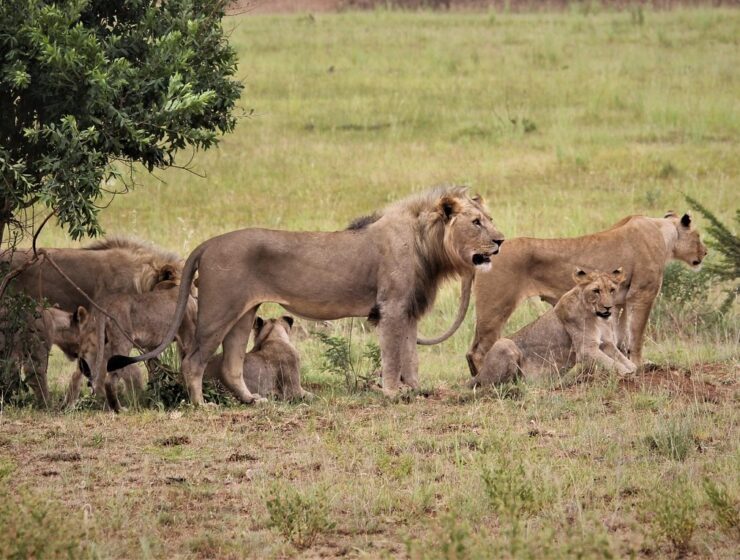
One of the most underrated windows for East Africa safari. The long rains have ended, the landscapes are green but drying, and the southern Serengeti holds the calving herds. Lion, cheetah, and hyena concentrate on the calving grounds. In Kenya, January and February are dry and warm, excellent for the Maasai Mara, Amboseli (good Kilimanjaro visibility in clear mornings), and Samburu. Prices are below peak. Wildlife is abundant.
March and April
March starts well and deteriorates toward the end as the long rains arrive. The first two weeks of March are still good, particularly for Kenya, where parks tend to be more compact and navigable in light rain. April is the one month most experienced travellers avoid entirely. Heavy rain, muddy tracks, some camp closures. The exception: Nairobi, the coast, and urban travel remain comfortable.
May
Late May is when East Africa begins its transformation. The rains ease, the camps that closed in April reopen, the grass is lush, and the herds begin moving north. Prices are at their lowest. The Serengeti and Maasai Mara are beautiful and near-empty. For budget-conscious travellers who accept some unpredictability, late May is excellent value. Early May is still wet.
June
June is the turning point. The long dry season begins, the grass thins, and wildlife visibility improves week by week. The Grumeti River crossings in Tanzania begin in early June. In Kenya, the Maasai Mara, Amboseli, Tsavo, and Samburu all come into their peak. Prices are rising but have not yet hit peak. Late June is arguably the best-value week of the year for quality.
July and August
Peak season. The Mara River crossings begin in late July and peak in August. Every major park is at its best for game viewing. Prices are highest and camps fill quickly. Book 9-12 months ahead for any decent accommodation in the Maasai Mara during this window. Despite the cost, the experience justifies it. Days are warm, mornings are cold enough to warrant a fleece, and wildlife density is extraordinary.
September and October
The migration continues in the Maasai Mara through September. October sees the herds beginning to move south again as the short rains approach. Game viewing remains excellent. October is the “secret season” for experienced safari travellers: the crossings tail off, but resident wildlife is at its most concentrated and tourist numbers begin dropping. Late October offers some of the best value in the dry season.
November
The short rains arrive in November, typically in the form of afternoon downpours that clear quickly. The landscapes green up almost overnight. Wildlife remains abundant. November is one of the best months for birdwatching across both countries: migratory species arrive from the north and the increased water levels draw waterbirds to the lakes. Lake Manyara in Tanzania, known for its flamingos, pelicans, and over 400 bird species, is particularly rewarding from November through April when migratory birds are present. Prices drop noticeably. It is better than its reputation suggests — significantly better.
December
One of the best months. The rains end quickly, conditions improve, and the first two weeks of December are widely considered the best-value window in the East Africa calendar. The southern Serengeti calving season begins. The Maasai Mara holds good resident wildlife. Kilimanjaro is often visible from Amboseli in the clear December air.
December is also prime time for a beach extension. Within Kenya, Diani Beach south of Mombasa, Malindi, and Lamu all offer excellent conditions from December through March: dry, sunny weather, calm Indian Ocean, and good snorkelling on the reef. Zanzibar in Tanzania is equally strong during this window. Christmas and New Year see prices spike at premium lodges, but the safari and beach experience remains comparable to October.
Q: Is December a good time for safari in Kenya?
A: Yes, particularly the first two weeks. The short rains have ended, conditions are improving, prices are below peak, and wildlife is excellent across all major parks. December is also one of the best months to combine a safari with the Kenyan coast or Zanzibar.
Q: When is the best time to visit Amboseli National Park?
A: June to October is best for game viewing and clearest skies. January and February offer excellent Kilimanjaro visibility on clear mornings and good wildlife without peak season crowds or prices.
Q: Where is the best place for birdwatching in Tanzania?
A: Lake Manyara National Park is one of Tanzania’s finest birding destinations, home to flamingos, pelicans, and over 400 species. The wet season from November through April brings migratory birds from the north, making it the peak period for serious birders. Tarangire and the Serengeti also offer exceptional birdwatching during the green season.
Common timing mistakes that affect the safari experience
Mistake 1: Chasing the migration without checking current positions
The migration does not follow a fixed timetable. If you book the Maasai Mara expecting river crossings and arrive when the herds are still in the Serengeti, you will still have a good safari but a different one. Track migration reports in the months before travel and be flexible with exact dates if possible.
Mistake 2: Avoiding November and December entirely
Many travellers see “short rains” and assume November and December are poor for safari. The short rains typically produce a few hours of afternoon rain, not all-day downpours. Wildlife is excellent, prices are lower, and late November into early December is one of the best-value periods in the year.
Mistake 3: Booking April for a first safari
April is the most difficult month across most of East Africa. Heavy rain, poor road conditions, and reduced wildlife visibility make it a poor choice for a first trip. If you are locked into an April departure, focus on coastal destinations or Nairobi rather than expecting a classic game-drive experience.
Mistake 4: Underestimating early June
June immediately follows peak demand for May travellers avoiding the rains. Camps are re-opening, conditions are rapidly improving, prices are below July and August, and the Grumeti crossings in Tanzania begin. Travellers who target the last week of June and first week of July often get migration-quality experiences at shoulder-season prices.
Mistake 5: Only planning for the migration
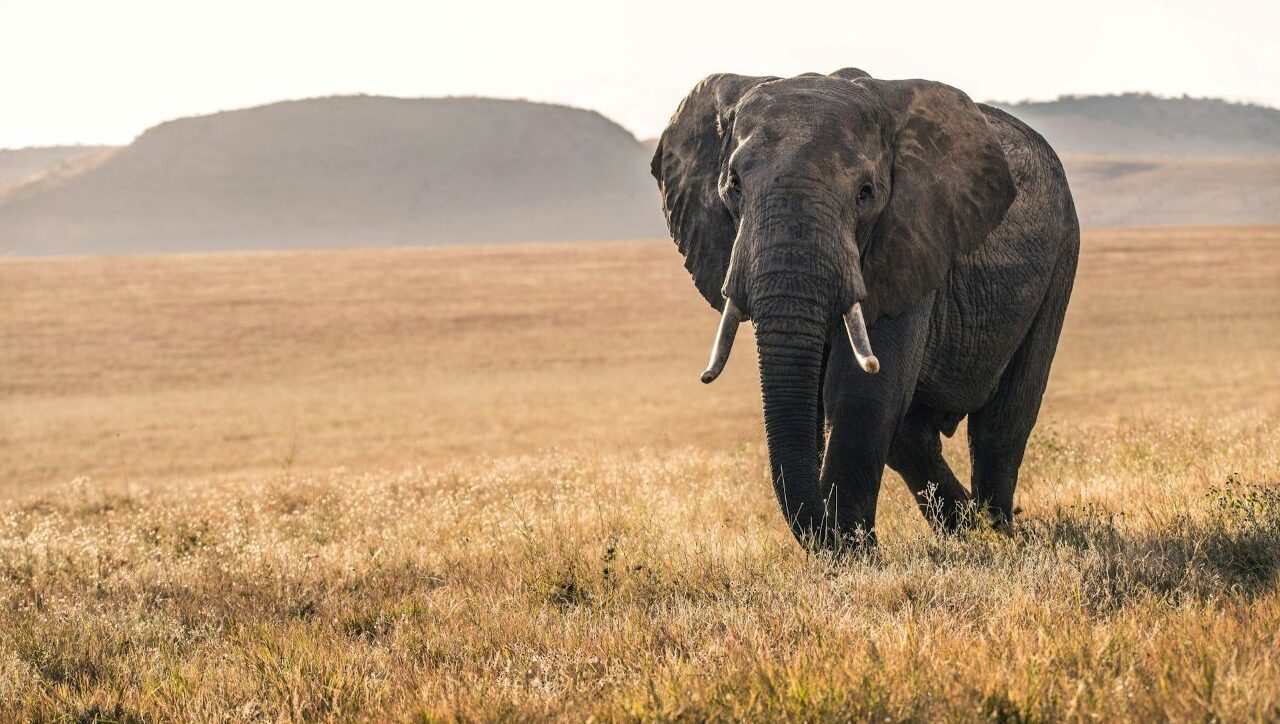
The Great Migration is extraordinary but it is not the only reason to visit East Africa. Calving season in the Serengeti is equally dramatic for predator action. Tarangire in Tanzania during the dry season, when enormous elephant herds congregate along the Tarangire River, is one of the most impressive wildlife spectacles in Africa. Laikipia for rhino and wild dog. Amboseli for elephants against Kilimanjaro. Build the itinerary around what you want to see, not only the migration calendar.
Q: Is it worth visiting Kenya in November?
A: Yes. The short rains are typically light afternoon showers that clear quickly. Wildlife is excellent, landscapes are lush and green, prices are significantly lower than peak season, and most parks are near-empty. November is also one of the best months for birdwatching as migratory species arrive.
Cultural experiences: when to visit Maasai and Samburu communities
A Kenya safari is not only about wildlife. The Maasai and Samburu peoples live alongside the reserves and have done so for centuries. A well-arranged community visit, guided by a local host rather than dropped in unannounced, offers genuine insight into land management, pastoralism, ceremony, and the relationship between people and wildlife that has shaped these landscapes.
Cultural visits to Maasai and Samburu communities are available year-round. Dry season (June-October) makes travel to remote village areas easier, particularly in northern Kenya where Samburu communities live in more arid terrain. Wet season visits are possible in the Maasai Mara region where roads remain more navigable. Your safari operator can arrange a respectful visit as part of your itinerary.
In the Maasai Mara, several conservancies run community partnerships where a portion of your accommodation fee goes directly to local Maasai families. Staying in a conservancy lodge rather than the national reserve integrates this cultural element into the safari itself.
Q: Can I visit Maasai or Samburu communities during my safari?
A: Yes. Respectful community visits can be arranged through your safari operator at most destinations. Dry season (June-October) offers easier access to more remote villages, particularly in northern Kenya. The Maasai Mara conservancies integrate community partnerships into the lodge experience itself, making cultural engagement a natural part of the stay.
Key Takeaways
- July to October is peak season: dry, excellent wildlife, Great Migration in the Maasai Mara
- December to March is the second-best window: good wildlife, calving season in Serengeti, lower prices
- Avoid April and most of May: the long rains make travel difficult and wildlife viewing inconsistent
- Early June and late October are the best-value periods in the dry season
- November is better than its reputation: light rains, lush scenery, few tourists, excellent birdwatching
- Tarangire National Park in Tanzania peaks June-October when elephant herds congregate along the river
- Lake Manyara is best for migratory birdlife from November through April
- Kenyan coast (Diani Beach, Malindi, Lamu) and Zanzibar are best visited December-March or June-October
- Cultural visits to Maasai and Samburu communities are available year-round; dry season makes remote village access easier
- Book 9-12 months ahead for peak season (August-September). Pack warm layers for cold morning game drives. Shoulder seasons (June, October, November) offer lower rates with excellent value.
Wildlife movements and seasonal patterns can vary year to year. Check current migration reports before finalising dates. This article was last updated June 2025.
Plan your Kenya or Tanzania safari around the right season:
Katulu Africa Safaris plans safaris in Kenya and across East Africa. Tell us when you are thinking of travelling and what you want to see. We will tell you which parks to be in, what to expect, and what to book and when.
Request your free itinerary: katulusafari.com/contact or message us on WhatsApp. We typically reply within a few hours.
Frequently asked questions
Q: What is the best time to visit Kenya for a safari?
A: June to October is the best overall window for game viewing and the Great Migration. December to March offers good wildlife and lower prices. July and August are peak season for Maasai Mara river crossings.
Q: What is the best time to visit Tanzania for a safari?
A: December to March for calving season in the southern Serengeti. June to October for dry-season wildlife including Tarangire elephant herds and the northern Serengeti. Ngorongoro Crater and Lake Manyara are good year-round.
Q: When is the rainy season in Kenya and Tanzania?
A: The long rains fall from March to May, peaking in April. The short rains arrive in November for 3-4 weeks. Both countries share the same seasonal pattern.
Q: Is it worth visiting Kenya in the green season?
A: Yes, for experienced travellers. November and December-February offer good wildlife, fewer tourists, lower prices, and greener landscapes. April and most of May are the exception and best avoided for a first safari.
Q: When is the cheapest time to go on safari in Kenya and Tanzania?
A: April and early May (long rains) have the lowest prices but the most difficult conditions. November and early December offer good value without the wet-season trade-offs. Late May and early June are rising in value but still below peak.
Q: Do I need to choose between Kenya and Tanzania?
A: Not necessarily. Many of the best itineraries combine both. Fly into Nairobi, spend time in the Maasai Mara, then cross into Tanzania for the Serengeti, Ngorongoro, or Tarangire. With 8 or more days this is achievable. Katulu Africa Safaris handles the Kenya side and can connect with Tanzanian partners.