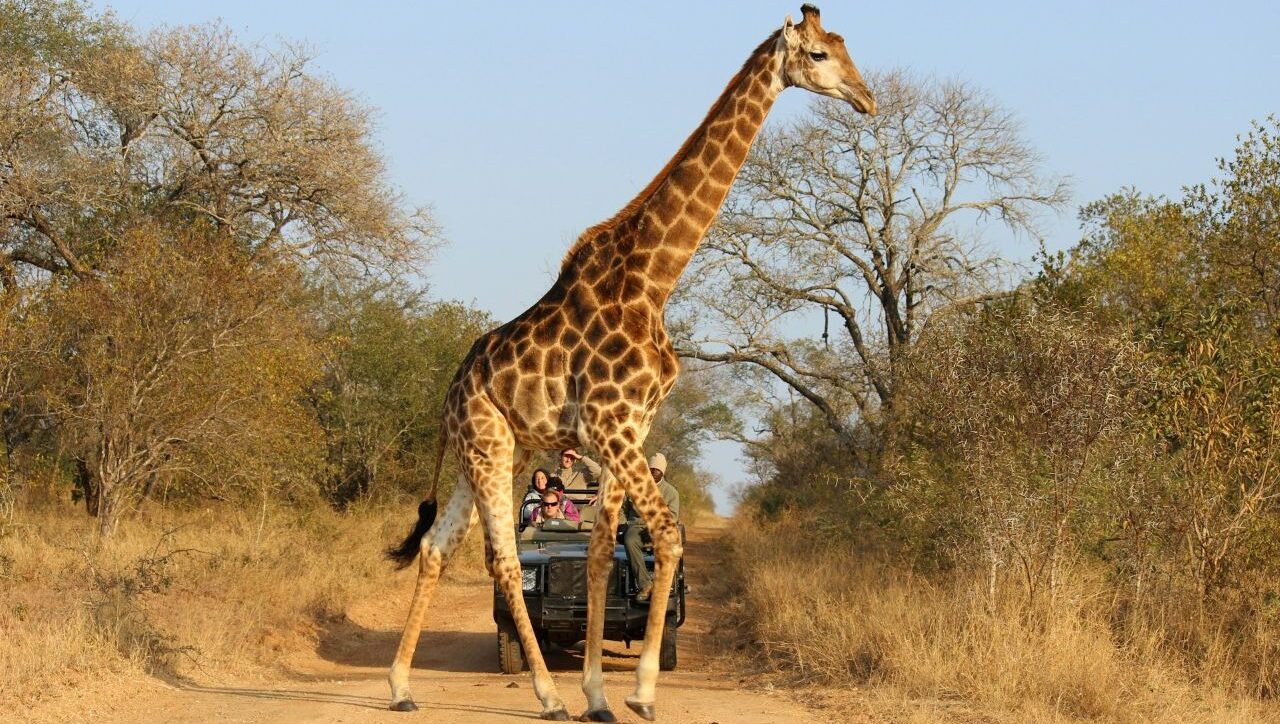
The difference between a good Kenya itinerary and a great one is choosing the right combination of places. Kenya has over 50 national parks, reserves, and private conservancies. That number is both the promise and the problem. You cannot visit them all, and trying to squeeze in four parks in five days is one of the most common ways to turn an extraordinary trip into an exhausting one.
This guide cuts through the noise. Eleven places, each with a clear reason to go, honest trade-offs, and what kind of traveller will get the most from it.
The quick answer: For a first Kenya safari, the Maasai Mara and Amboseli are the essential combination. Add Samburu for rare northern species or Laikipia for rhinos and wild dog. For something genuinely unique, Hell’s Gate lets you walk and cycle through wildlife country. The coast and Zanzibar extend any safari into a complete East Africa trip.
Quick summary:
- First safari: Maasai Mara and Amboseli.
- Return trip: Laikipia and Samburu.
- Big cats and migration: Maasai Mara only.
- Rhinos and wild dog: Laikipia or Ol Pejeta.
- Walk and cycle through a park: Hell’s Gate. Beach extension: Diani Beach or Zanzibar.
1. Maasai Mara National Reserve
Kenya’s most celebrated wildlife area. The Maasai Mara is not the largest park in Kenya, but it is the most wildlife-dense. Predator sightings here are among the highest of any reserve in Africa. In a single morning game drive it is entirely possible to encounter a lion pride, a cheetah hunt, and a leopard resting in a fig tree along the Mara River.
The Great Migration arrives from July to October, bringing millions of wildebeest and zebra for the Mara River crossings. Outside migration season, resident wildlife remains exceptional year-round. The best safari parks in Kenya are debated; the Maasai Mara rarely is.
The private conservancies bordering the national reserve (Olare Motorogi, Naboisho, Mara North, Ol Kinyei) offer off-road driving, night game drives, and walking safaris with far fewer vehicles. If budget allows, staying in a conservancy rather than the main reserve transforms the experience.
- Best for: first-time safari travellers, migration river crossings, predator sightings, photography
- Best time: July-October for migration; year-round for resident wildlife
- Distance from Nairobi: 45 minutes by charter from Wilson Airport; 5-6 hours by road
Q: Is the Maasai Mara good year-round?
A: Yes. Resident lion, leopard, cheetah, elephant, and buffalo are present throughout the year. July to October adds the Great Migration river crossings. January and February are also excellent with good wildlife and fewer crowds than peak season.
2. Amboseli National Park
Amboseli is Kenya’s most photographed park for one reason: elephants in front of Kilimanjaro. On a clear morning, the snow-capped peak of Africa’s highest mountain rises behind herds of hundreds of elephants crossing the open plains. It is one of the iconic sights in wildlife photography, and one of the best places to visit in Kenya for good reason.
Beyond the photography, Amboseli delivers genuine Big Five sightings. The park holds one of Kenya’s largest elephant populations, some herds numbering over 1,000 individuals. Lions and cheetahs hunt on the open plains. Leopards use the acacia woodlands. The wetlands attract hippos and over 400 species of birds.
Kilimanjaro is most clearly visible in the early morning before cloud builds on the summit. Plan game drives to prioritise the first two hours of daylight.
- Best for: elephant photography, Kilimanjaro views, Big Five, first-time visitors
- Best time: June-October; January-February for clearest Kilimanjaro visibility
- Distance from Nairobi: 3-4 hours by road or 45-minute charter flight
Q: What is Amboseli National Park known for?
A: Amboseli is best known for its large elephant herds and views of Mount Kilimanjaro on the Tanzanian border. It is one of the best parks in Kenya for elephant observation and photography, and reliably delivers Big Five sightings.
3. Samburu National Reserve
Samburu sits in northern Kenya, five hours from Nairobi, and it feels genuinely remote. The Ewaso Nyiro River runs through it, drawing wildlife to a narrow riparian corridor in an otherwise arid landscape. This concentration effect means extraordinary sightings in a compact area.
What makes Samburu distinct is its “Special Five”: five species found in the northern dry-country ecosystem and almost nowhere else in Kenya. Reticulated giraffe (the tallest giraffe subspecies, with a distinctive white-bordered coat), Grevy’s zebra (the largest and most endangered wild equid), Beisa oryx, gerenuk (a long-necked antelope that feeds standing upright on its hind legs), and Somali ostrich. If you have already been to the Maasai Mara or Amboseli, Samburu shows you a completely different Kenya.
Lions, leopards, and elephants are also present and frequently sighted. The Samburu people, related to the Maasai but with their own distinct culture and traditions, live alongside the reserve.
- Best for: returning visitors, rare northern species, serious wildlife enthusiasts, photography
- Best time: June-October; January-February; avoid April-May (long rains)
- Distance from Nairobi: 5-6 hours by road or 1-hour charter flight
Q: What is the Samburu Special Five?
A: The Samburu Special Five are five species unique to Kenya’s northern dry-country ecosystem: reticulated giraffe, Grevy’s zebra, Beisa oryx, gerenuk, and Somali ostrich. All five are reliably spotted in Samburu National Reserve and the surrounding conservation areas.
4. Tsavo East and Tsavo West National Parks
Together, Tsavo covers over 20,000 square kilometres, making it Kenya’s largest protected area and one of the top safari destinations in Africa by sheer scale. It is split into two distinct parks with different characters.
Tsavo East is flat, dry, and vast. Famous for its “red elephants”, named because they roll in the park’s red volcanic dust until their hides are stained rust-red. The Yatta Plateau, the world’s longest lava flow at 290 kilometres, runs through the park. Tsavo East is undervisited relative to its quality and is the better choice for travellers who want the Mara’s wildlife without its crowds.
Tsavo West is more lush and varied, with volcanic craters, natural springs, and thicker vegetation. Mzima Springs, where underground lava filters water to produce crystal-clear pools populated by hippos and crocodiles, is one of the most unusual sights in Kenya. Tsavo West also hosts a dedicated rhino sanctuary.
- Best for: budget travellers, escape from crowds, red elephants, vast wilderness feel
- Best time: June-October; January-February
- Distance from Nairobi: 3-4 hours by road to Tsavo West; 4-5 hours to Tsavo East
5. Laikipia Plateau
Laikipia does not fit the classic Kenya safari template, and that is exactly what makes it exceptional. Rather than a single national park, it is a mosaic of private ranches, community conservancies, and wildlife corridors covering roughly 9,000 square kilometres in central Kenya.
Wildlife density here ranks second only to the Maasai Mara among Kenya’s best safari parks. What Laikipia has that the Mara does not is concentration of endangered species. It holds approximately 70% of Kenya’s black and white rhino population outside designated sanctuaries. It is the only known location in Africa where you can see a black leopard. African wild dog, one of the continent’s most endangered predators, is present in several conservancies and can be tracked on foot.
Activities in Laikipia go beyond game drives. Walking safaris, horseback safaris, and camel trekking are offered across multiple conservancies. Night drives reveal aardvark, pangolin, and porcupine that vehicle safaris miss entirely. Knowing where to go in Kenya for a genuinely rare experience often leads here.
- Best for: repeat visitors, rhinos, wild dog, walking safaris, conservation-focused travellers
- Best time: year-round; best game viewing June-October
- Distance from Nairobi: 3-4 hours by road; charter flights to Nanyuki airstrip
Q: Why is Laikipia worth visiting?
A: Laikipia holds Kenya’s highest concentration of endangered mammals, including black and white rhinos, African wild dogs, and the world’s only confirmed population of black leopards. It offers activities unavailable in national parks, including walking safaris and horseback game viewing, with a genuine conservation-focused experience.
6. Lake Nakuru National Park
Lake Nakuru sits in the Great Rift Valley and is synonymous with flamingos. When conditions are right, the lake’s edges turn pink with hundreds of thousands of lesser flamingos feeding on the algae-rich waters. The spectacle is genuinely unlike anything else in Africa.
Beyond the flamingos, Nakuru is one of the most rewarding Big Five parks in Kenya. The park is entirely fenced, which concentrates wildlife and makes tracking more efficient. A significant population of both black and white rhinos lives within the reserve, making it one of the best places in Kenya for rhino sightings. Lion, leopard, buffalo, and over 400 bird species complete a list that rewards even short visits.
Lake Nakuru is often combined with Lake Naivasha and Hell’s Gate National Park for a Rift Valley circuit, making it an efficient addition to any Kenya itinerary.
- Best for: flamingo photography, rhino sightings, Rift Valley circuit, birdwatching
- Best time: year-round; flamingos most spectacular during dry season
- Distance from Nairobi: 2-3 hours by road
7. Ol Pejeta Conservancy
Ol Pejeta is the most rewarding introduction to Kenyan conservation for travellers who want context alongside wildlife. It is home to the world’s last two northern white rhinos, a mother and daughter under permanent guard, representing the final chapter of a subspecies that was hunted to functional extinction. Visiting them is a sombre and unforgettable experience.
Beyond the northern white rhinos, Ol Pejeta holds one of Kenya’s largest black rhino sanctuaries and excellent populations of lion, leopard, cheetah, elephant, and buffalo. The conservancy is accessible from Nanyuki, close to Mount Kenya, making it a natural combination with highland trekking or a Samburu safari.
- Best for: conservation-focused travellers, northern white rhino, Big Five, families
- Best time: year-round
- Distance from Nairobi: 3-4 hours by road or charter to Nanyuki
8. Nairobi National Park
The only national park in the world with a capital city skyline as its backdrop. Lions hunt on the open plains in front of Nairobi’s glass towers. Rhinos graze within sight of international airport approaches. It should not work, and yet it is entirely real.
Nairobi National Park is the strongest choice for travellers arriving or departing who want a game drive without committing to an overnight safari. A morning drive from 6am to 10am can deliver lion, rhino, buffalo, giraffe, zebra, cheetah, and leopard. The park holds one of Kenya’s most successful rhino populations. It is small enough to cover in half a day and close enough to use as a genuine transit experience.
The David Sheldrick Elephant Orphanage and the Nairobi Giraffe Centre, both on the park boundary, are worthwhile additions for travellers with young children or an interest in conservation.
- Best for: transit days, short game drives, families, rhino sightings near Nairobi
- Best time: year-round; early morning drives most productive
- Distance from Nairobi city centre: 20 minutes
9. Diani Beach and Kenya’s Indian Ocean coast
Kenya’s coastline runs 480 kilometres along the Indian Ocean and is one of the most under-appreciated parts of any East Africa itinerary. Adding 3-4 days at the coast after a safari completes the trip in a way that simply returning to Nairobi does not.
Diani Beach, 30 kilometres south of Mombasa, is the most popular coastal destination. White sand, warm Indian Ocean, excellent reef snorkelling and diving, kite surfing on open stretches of beach, and traditional dhow sailing at sunset. From Diani, day trips to Kisite Mpunguti Marine Park offer dolphin watching, snorkelling on pristine coral reefs, and a Swahili seafood lunch on Wasini Island. It is one of the most enjoyable day excursions on the Kenyan coast.
The Swahili Coast has its own distinct cultural identity: the medieval ruins of Gede near Malindi, the old town of Lamu (a UNESCO World Heritage Site reached by boat), and the Fort Jesus museum in Mombasa offer history alongside the beach. Zanzibar, technically Tanzania, extends the coastal experience with spice markets, Stone Town, and some of East Africa’s best diving.
- Best for: beach extension after safari, snorkelling, diving, kite surfing, dolphin watching, Swahili culture
- Best time: June-October; December-March
- Distance from Nairobi: 1-hour flight to Mombasa; road not recommended
10. Mount Kenya and Lewa Wildlife Conservancy
Africa’s second-highest mountain and Kenya’s only UNESCO World Heritage Site in the highlands, Mount Kenya dominates the central region. Its glaciated peak reaches 5,199 metres, and trekking routes of varying difficulty reach the summit from Point Lenana (4,985m, accessible to fit non-technical hikers) to the technical peaks of Batian and Nelion.
For travellers who want the mountain without the trek, the lower slopes hold Aberdare National Park with its tree hotels (Treetops and The Ark), where visitors watch wildlife at illuminated waterholes through the night.
Adjacent to Mount Kenya’s foothills, Lewa Wildlife Conservancy holds a substantial black rhino population (about 15% of Kenya’s total), Northern white rhino, Grevy’s zebra, wild dog, lion, and cheetah within a private conservancy that supports Maasai and other local communities through employment and conservation revenues.
- Best for: trekking, birdwatching, rhino conservation, combining mountain and wildlife
- Best time: July-October and January-March for clear summit views; trekking possible year-round
- Distance from Nairobi: 3-4 hours by road to Nanyuki
11. Hell’s Gate National Park
Hell’s Gate is the most unusual national park in Kenya for one simple reason: you can walk and cycle through it. Unlike every other major park in the country, Hell’s Gate allows visitors to explore on foot or by bicycle past towering volcanic cliffs, natural gorges, and geothermal steam vents. There are no fences and no vehicle requirement. You pedal through it.
The park’s dramatic red-walled gorge and volcanic landscapes are said to have inspired the setting for The Lion King. Fischer’s Tower, a 25-metre volcanic plug rising from the canyon floor, is a popular spot for rock climbing. Hell’s Gate Gorge itself, carved by ancient rivers, can be walked in a few hours and involves scrambling through narrow passages between walls that rise 30 metres on either side.
Olkaria Geothermal Spa, fed by naturally heated underground steam, sits near the park and makes a welcome stop after a morning on a bicycle. The park is often combined with Lake Naivasha, a freshwater lake immediately to the north known for its large hippo population and boat trips to Crescent Island, where wildlife can be walked among on foot. The two together make an easy and excellent day trip from Nairobi.
Wildlife includes buffalo, zebra, giraffe, and a variety of antelope. Predators are present but rarely encountered. The walking and cycling experience is genuinely unlike any other Kenya park visit.
- Best for: adventure travellers, cyclists, hikers, budget safari-goers, families with older children
- Best time: year-round; avoid April-May (long rains) for cycling conditions
- Distance from Nairobi: 2 hours by road
Q: Can you walk or cycle through a Kenyan national park?
A: Yes, at Hell’s Gate National Park in the Rift Valley. It is the only major national park in Kenya that allows visitors to explore on foot or by bicycle without a guide vehicle. The park’s volcanic gorges, Fischer’s Tower, and geothermal steam vents are accessible on foot, and bicycles can be hired at the gate. It is typically combined with a visit to nearby Lake Naivasha.
Common mistakes when choosing where to go in Kenya
Mistake 1: Trying to see too many parks in too few days
Travel time between Kenya’s parks is significant. The Maasai Mara to Samburu is a full day by road or a charter flight. Cramming four parks into five days leaves you spending more time driving than on game drives. Three to four nights in one location is the minimum for a satisfying experience. Choose fewer parks and stay longer.
Mistake 2: Skipping Amboseli because it sounds less dramatic
Amboseli is not the Maasai Mara in terms of wildlife density, but for elephant photography and the Kilimanjaro backdrop it is completely unique. Travellers who bypass it and add a second Mara camp instead often return wishing they had gone.
Mistake 3: Ignoring the conservancies around the Mara
The national reserve is what most people book. The private conservancies around it offer off-road driving, night drives, and walking safaris that are not available in the reserve. If you are spending more than two nights in the Mara region, at least one of those nights should be in a conservancy.
Mistake 4: Assuming Tsavo is only for budget travellers
Tsavo has excellent mid-range and luxury options and is genuinely extraordinary. Its scale creates a different experience from the Mara. Tsavo East in particular delivers vast landscape and good wildlife with a fraction of the vehicles.
Mistake 5: Overlooking Hell’s Gate on a Rift Valley day
Many travellers pass through the Rift Valley on the way to the Maasai Mara or Lake Nakuru and skip Hell’s Gate entirely. A half-day in the gorge by bicycle, followed by a boat trip on Lake Naivasha, is one of the most distinctive days available near Nairobi. It pairs naturally with Lake Nakuru on a Rift Valley circuit.
Q: How many parks should I try to visit in one week?
A: Two, maximum. Travel time between Kenya’s parks is significant, and cramming more than two into seven days reduces the game drive time that makes a safari worthwhile. The standard recommendation for a first trip is the Maasai Mara and Amboseli, connected by road or a short charter flight.
Park fees and access rules are subject to change. Always confirm current entry requirements with Kenya Wildlife Service before travel.
Ready to plan your Kenya safari?
Katulu Africa Safaris is Kenya-based and guides across all the destinations listed above. We know which lodges genuinely deliver, which parks suit which type of traveller, and how to combine destinations without wasting time on roads. Tell us what you want to see and when you are travelling.
Request your free Kenya safari itinerary: katulusafari.com/contact or message us on WhatsApp. We typically reply within a few hours.
Frequently asked questions
Q: What are the best places to visit in Kenya for wildlife?
A: The Maasai Mara, Amboseli, Samburu, Tsavo, Laikipia, and Lake Nakuru are the top safari destinations. Each offers distinct wildlife and landscapes. The Mara is best for predators and migration; Amboseli for elephants; Samburu for rare northern species; Laikipia for rhinos and wild dogs; Nakuru for flamingos.
Q: How many days do you need to see Kenya properly?
A: A meaningful Kenya safari requires at least 7 days. This allows 3-4 nights in the Maasai Mara and 2-3 nights in Amboseli or Samburu. With 10-12 days you can comfortably add the coast or a third safari destination.
Q: Is Kenya good for a first African safari?
A: Yes. Kenya is widely considered one of the best countries for a first African safari due to its accessible parks, excellent infrastructure, English widely spoken, and consistently high wildlife density. The Maasai Mara delivers reliable sightings even outside the Great Migration months.
Q: What is the difference between a national park and a conservancy in Kenya?
A: National parks and reserves are government-managed public land where rules include staying on marked tracks, no night drives, and no off-road driving. Private conservancies are community or privately owned and allow off-road driving, night game drives, and walking safaris. Conservancies typically have lower vehicle density and cost more per night.
Q: Can I visit multiple parks on one Kenya trip?
A: Yes. Most Kenya safari itineraries cover 2-3 parks over 7-10 days. Charter flights connect parks efficiently. Typical combinations include Maasai Mara and Amboseli (5-6 days), Samburu and Maasai Mara (7-8 days), or a Rift Valley circuit adding Nakuru, Naivasha, and Hell’s Gate to the Mara.
Q: What can I do at the Kenyan coast after a safari?
A: Diani Beach offers snorkelling, diving, kite surfing, and traditional dhow sailing. Day trips from Diani to Kisite Mpunguti Marine Park include dolphin watching and a Wasini Island lunch. Lamu offers Swahili architecture and dhow cruises. Malindi has excellent diving and access to the Malindi Marine Park.