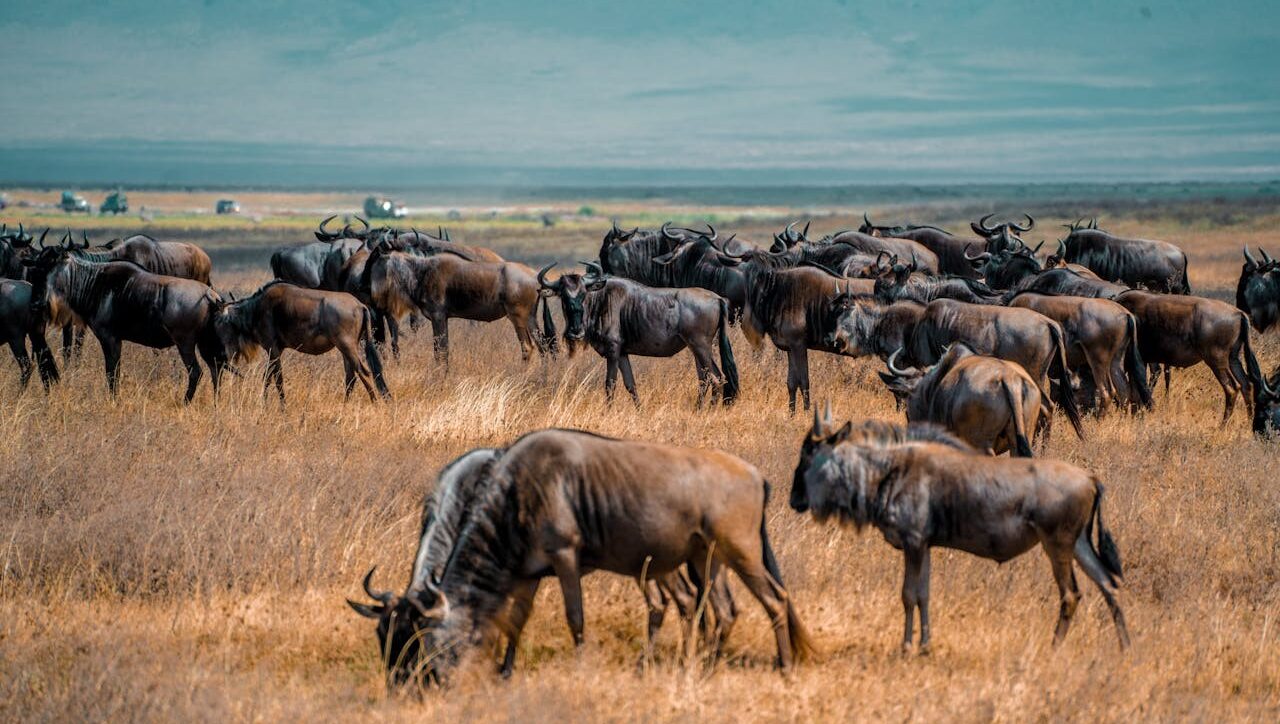
Two parks. One ecosystem. A border that the animals ignore entirely. The Maasai Mara and the Serengeti are part of the same vast wildlife landscape, which is exactly what makes choosing between them genuinely difficult. They share the same wildebeest, the same predators, the same migration. What they offer a safari traveller is different in ways that matter.
This comparison covers wildlife, timing, cost, accessibility, and the one question that actually settles it for most travellers: when are you going?
The short answer: For first-timers, short trips, or travel between July and October, the Maasai Mara is the stronger choice. For longer itineraries, a deeper wilderness feel, or travel between December and March (calving season), the Serengeti delivers more. If you can do both, do both.
Q: Which is better, the Maasai Mara or the Serengeti?
A: Neither is objectively better. They are part of the same ecosystem and share the same wildlife. The Maasai Mara is more accessible, more affordable, and offers higher wildlife density in a smaller area. The Serengeti is larger, wilder, and better for calving season (December to March). The right choice depends on when you are travelling and how long you have.
One ecosystem, One migration, Two Countries
The Maasai Mara and the Serengeti are not competing parks. They are two sections of the same continuous Mara-Serengeti ecosystem, spanning roughly 30,000 square kilometres across Kenya and Tanzania. There is no fence between them. The wildebeest, zebra, and gazelle that cross the Mara River in August do not know they are crossing an international border.
The Great Migration follows a circular route driven by rainfall and grass. Calving happens in the southern Serengeti from December to March. The herds move north through the central and western Serengeti from April to June. They reach the Maasai Mara from July to October, crossing the Mara River in one of the most dramatic wildlife spectacles on earth. Then they turn south again.
Understanding this circuit is the first step to choosing the right destination. The question is not which park is better. The question is which section of the ecosystem you want to see, and when.
Wildlife: Which Park Gives You More?
Both Masai Mara and Serengeti National Parks offer the full East African wildlife portfolio: lion, leopard, elephant, buffalo, giraffe, cheetah, hyena, wild dog (seasonal), and the Big Five. The fundamental difference is density versus space.
Maasai Mara
The Mara’s relatively small size means animals are concentrated within a manageable area. Game drives here are efficient. You cover shorter distances and see more per hour. The Mara consistently delivers among the highest predator sighting rates of any reserve in Africa. Lion prides are large and visible; cheetahs hunt on open plains; leopards are reliably spotted along riverine trees.
The private conservancies bordering the national reserve add another dimension. Areas like the Olare Motorogi, Naboisho, and Mara North conservancies offer off-road driving, night game drives, and walking safaris, none of which are permitted in the national reserve itself. Wildlife density in the conservancies equals or exceeds the reserve, with a fraction of the vehicles.
One advantage worth stating plainly: the Mara Triangle section of the reserve supports a recovering black rhino population. Seeing all five members of the Big Five in the Mara is achievable. The Serengeti offers no reliable rhino sightings in the main park.
Serengeti
The Serengeti’s scale is its defining characteristic. At roughly ten times the size of the Maasai Mara, driving edge to edge is not practical in a three-day trip. Where you stay matters enormously. A camp in the southern Serengeti during calving season delivers extraordinary predator action. A camp in the northern Serengeti in July and August positions you for migration river crossings, nearly identical in drama to those in the Mara.
Remote areas of the central and western Serengeti can feel genuinely untouched. There are moments, especially off-peak, when you can drive for an hour and see no other vehicle. That experience is harder to find in the Mara during peak season.
Q: Which park has better wildlife sightings?
A: The Maasai Mara offers higher wildlife density and more efficient game drives due to its smaller size. Predator sightings are among the best in Africa. The Serengeti offers a greater sense of wilderness and exceptional experiences during calving season, but wildlife can be more spread out. For concentrated sightings in a shorter trip, the Mara has the edge.
The Great Migration: Which park, Which month?
The migration does not stop at the border. It is a continuous year-round phenomenon. What changes month by month is where the herds are, and therefore which park gives you the best experience.
The river crossings are the most photographed and most sought-after event. Herds gather on the Mara River bank, sometimes for days, before plunging in. Crocodiles wait. Those that make it scramble up the far bank. Those that do not are taken. It is raw and unpredictable, which is exactly why people travel from every continent to see it.
The crossings are not guaranteed. They depend on herd movement, water levels, and the instinct of individual animals. No operator can promise a crossing on a specific day. What you can do is position yourself correctly: be in the Maasai Mara between mid-July and mid-October, ideally August and September, and allow at least three or four full days.
Calving season in the southern Serengeti from December to March is the other great spectacle. Around 8,000 wildebeest calves are born per day at peak. Cheetah, lion, and hyena concentrate around the calving grounds. The light on the open southern plains is exceptional. For photographers, it rivals the river crossings.
Accessibility and Cost: The Practical Difference
This is where the Maasai Mara has a structural advantage that no amount of “the Serengeti is worth it” enthusiasm can argue away. If you are flying from Europe, North America, or Asia, Nairobi is your likely entry point. JKIA (Jomo Kenyatta International Airport) connects directly to most major hubs.
From Nairobi, the Maasai Mara is 45 minutes by charter flight from Wilson Airport, or 5-6 hours by road. Most operators handle both. The Serengeti, by comparison, requires either flying to Arusha or Kilimanjaro International Airport in Tanzania (a separate flight, frequently a connection through Nairobi anyway), then another charter into the Serengeti. That adds cost, time, and logistics.
This distinction changes the calculus for short trips. Travellers with four or five days who want to maximise time on the ground in wildlife territory will extract more from the Mara. The Serengeti rewards a longer commitment.
The cost difference is real. Serengeti park fees are roughly double those of the Maasai Mara, and accommodation inside the Serengeti tends to run higher across all tiers. A like-for-like mid-range safari in the Serengeti will typically cost 30-50% more than the equivalent in the Mara.
That said, the Serengeti’s higher cost comes with something: proximity to some of Tanzania’s other extraordinary parks. Combining the Serengeti with the Ngorongoro Crater, Tarangire, or Lake Manyara is one of the classic East Africa itineraries, and it justifies the additional logistics and expense.
How to choose: The Three Questions that Decide it
Most comparison articles end with “it depends on your preferences.” That is not useful. Here are the three questions that actually resolve this decision for most travellers.
Question 1: When are you travelling?
If you are going between July and October, the Maasai Mara is the clear choice. The migration river crossings happen here during those months. Nothing else in Africa matches them for raw drama.
If you are going between December and March, the Serengeti is where you want to be. Calving season in the southern Serengeti is among the most extraordinary wildlife experiences available, and the Mara is relatively quiet during those months.
For travel in April, May, or November, the Mara still delivers strong year-round wildlife. The Serengeti in June to July positions you for the Grumeti crossings in the western corridor.
Question 2: How long do you have?
Three to five days: Maasai Mara. You can cover the best areas efficiently, see exceptional wildlife, and leave with a complete safari experience. The Serengeti rewards longer stays because its scale requires time to explore properly.
Seven or more days: the Serengeti becomes compelling, especially combined with Ngorongoro. Or consider doing both: fly into Nairobi, safari in the Mara, then cross to Tanzania and finish in the Serengeti. It works well as a combined itinerary with the right operator.
Question 3: What matters most to you?
Concentrated wildlife sightings, efficiency, and accessibility: Maasai Mara. This is the park for first-timers, travellers on limited time, and anyone who wants to maximise encounters per day.
Sense of wilderness, solitude, and scale: Serengeti. If you have been on safari before and want to experience something that feels less structured and more remote, the Serengeti’s vastness is something the Mara, for all its excellence, cannot replicate.
Cultural experience: both parks offer Maasai community visits, but the Mara’s proximity to active Maasai villages and conservancies makes integration of cultural visits more natural and accessible.
Quick summary: July-October, short trip, first safari: Maasai Mara. December-March, longer trip, wilderness: Serengeti. Either month with 7+ days and budget to match: consider both.
Q: Which is better for a first safari?
A: The Maasai Mara is the stronger choice for a first safari. Wildlife is concentrated, game drives are efficient, logistics from Nairobi are simple, and costs are lower. The Serengeti is excellent but rewards travellers who understand its scale and are prepared to invest more time and money to experience it well.
Not sure which to choose for your travel dates? Tell us when you are going and what you want to see. We will tell you exactly where to be and why. Message us on WhatsApp or request a free itinerary at katulusafari.com/contact.
The Maasai Mara private conservancies: what most guides leave out
The national reserve is only part of the Maasai Mara story. Bordering it to the north and east are a series of private conservancies, community-owned wildlife areas that operate with different rules and a fundamentally different experience.
In the conservancies, you can go off-road. You can do night game drives. You can walk with a guide through lion territory. Vehicle numbers are capped by conservation agreement, so you will not arrive at a leopard sighting with eight vehicles already parked around it.
Key conservancies bordering the national reserve
- Olare Motorogi Conservancy: adjacent to the Mara’s northern boundary; excellent predator density; limited vehicle numbers
- Naboisho Conservancy: one of the largest community conservancies; particularly good for cheetah and wild dog
- Mara North Conservancy: borders the reserve to the north; strong wildlife corridors and community ranger programs
- Ol Kinyei Conservancy: smaller and more exclusive; exceptional game and minimal vehicle presence
- Mara Triangle: western section of the national reserve managed separately by the Mara Conservancy; consistently less crowded than the eastern Mara
Staying in a conservancy costs more than staying in the national reserve. The additional cost buys you a fundamentally better safari. For photographers, families, and returning visitors, the conservancy experience is worth the premium.
The Serengeti has no equivalent system. Some private concessions exist on the park boundary, but they are fewer, more expensive, and the coverage is patchy compared to the network around the Mara.
Common mistakes when choosing between the Mara and the Serengeti
Mistake 1: Booking based on photography alone
The river crossing photographs look the same from either side. What differs is timing. Booking the Serengeti in October expecting river crossings misses the point; the herds have usually returned to Tanzania by then and you are not in the right section of a very large park.
Mistake 2: Underestimating Serengeti logistics
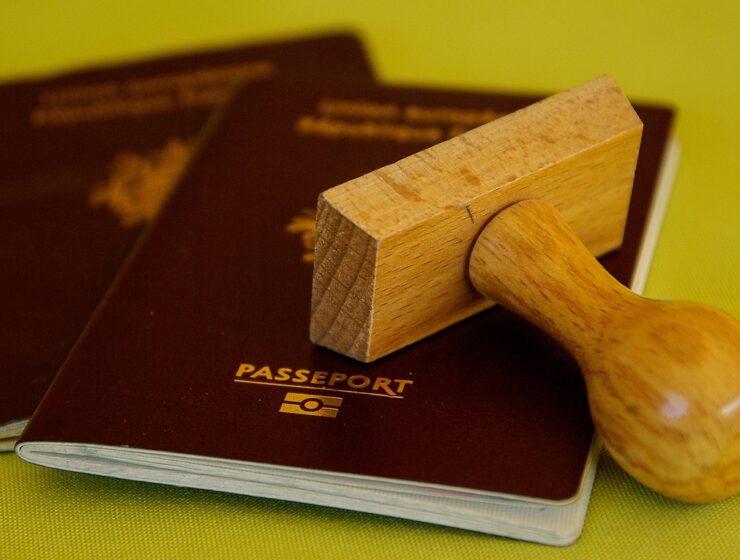
Flying into Nairobi and expecting a quick run down to the Serengeti does not work. You need a separate flight into Tanzania or a border crossing. Budget an extra day and additional cost. Some travellers arrive at this realisation after booking.
Mistake 3: Booking the Mara in peak season without a conservancy
The eastern Mara in August can be genuinely crowded. If you book a lodge or camp in the main reserve at peak season and are surprised by the number of vehicles at popular sightings, that is the expected experience. The solution is either a conservancy or the Mara Triangle, which has lower vehicle density than the eastern reserve.
Mistake 4: Treating 3 days as enough for the Serengeti
Three days in the Serengeti is not enough to experience its scale. You will spend a significant portion of that time in transit between areas. The Serengeti needs at least four to five full days. Three days works fine in the Mara.
Mistake 5: Ignoring the combined option
If you have 8 or more days and a budget that allows it, doing both parks on one itinerary is entirely achievable. Fly into Nairobi, spend four days in the Mara, then charter or road-transfer into Tanzania for three to four days in the Serengeti. This is one of the most complete East Africa safari itineraries available. Few operators handle both sides of the border as smoothly as a Kenya-based team with Tanzanian partners.
Wildlife, park regulations, and fees are subject to change. Confirm current entry requirements for both Kenya and Tanzania before travel. This article was last updated June 2025.
Plan your Maasai Mara or Serengeti safari with a local expert:
Katulu Africa Safaris is Kenya-based. We plan and guide safaris in the Maasai Mara and across East Africa. We have on-the-ground knowledge of the conservancies, the seasonal timing, and the lodges worth staying in. If you are weighing up the Mara against the Serengeti or considering both, we can build the right itinerary for your dates and budget.
Request your free itinerary: katulusafari.com/contact or message us on WhatsApp. We typically reply within a few hours.
Frequently asked questions: Maasai Mara vs Serengeti
Q: Which is better, the Maasai Mara or the Serengeti?
A: Neither is objectively better. The Maasai Mara offers higher wildlife density, lower cost, and easier access from Nairobi. The Serengeti offers greater scale, a longer migration season, and exceptional calving season from December to March. The right choice depends on your travel dates and how long you have.
Q: When is the best time to visit the Maasai Mara vs the Serengeti?
A: For the Maasai Mara, July to October is peak season for river crossings. For the Serengeti, December to March is best for calving season in the southern plains. Both parks offer strong year-round wildlife outside migration events.
Q: Is it possible to see the Great Migration in both parks?
A: Yes, but at different times of year. The migration is in the Maasai Mara from approximately July to October. It is in various parts of the Serengeti from November to June. The river crossings happen on both sides of the Mara River, which sits on the Kenya-Tanzania border.
Q: How do you get from Nairobi to the Serengeti?
A: You cannot fly directly from Nairobi to the Serengeti. You need to fly to Arusha or Kilimanjaro International Airport in Tanzania, then take a charter into the Serengeti. Alternatively, you can fly from Wilson Airport in Nairobi to a Mara airstrip and road-transfer across the border into Tanzania.
Q: Are private conservancies worth the extra cost in the Maasai Mara?
A: For most travellers, yes. Conservancies allow off-road driving, night game drives, and walking safaris, none of which are permitted in the national reserve. Vehicle numbers are strictly controlled, so sightings are more intimate. The additional cost over a standard reserve lodge is typically $100-$300 per person per night.
Q: Can I combine the Maasai Mara and Serengeti in one trip?
A: Yes. Allow a minimum of 7-8 days. You can charter between Mara airstrips and Tanzanian airfields, or use road transfer via the border. It is one of the most complete East Africa safari itineraries available. Katulu Africa Safaris handles the Kenya side and can connect you with Tanzanian partners for the Serengeti.
Q: Which park is better for photographers?
A: Both deliver exceptional photography. The Maasai Mara during river crossings (August-September) is arguably the most dramatic opportunity in Africa for wildlife photography. The Serengeti during calving season (December-March) offers open landscapes and predator-prey action. For maximum technical flexibility, the conservancies surrounding the Mara allow off-road positioning for sunrise and sunset light.
Q: Does the Serengeti have rhinos?
A: Rhino are extremely rare in the Serengeti. The main park has very few confirmed residents. The Maasai Mara, particularly the Mara Triangle, supports a recovering black rhino population, making the Mara the better choice for travellers wanting to complete a Big Five sighting.