Most packing lists for a Kenya safari tell you to bring khaki clothing and binoculars. That is fine as far as it goes. What they rarely mention is that if you pack a hard-shell wheelie suitcase, it will not fit in the baggage compartment of the small aircraft that connects Nairobi to the Maasai Mara. That bag, and everything in it, stays behind.
The 15-kilogram weight limit on light aircraft is the single most important packing constraint for any Kenya safari, and it shapes every decision that follows. This guide works backwards from that limit to tell you exactly what to bring, what your lodge will already have waiting for you, and what to leave at home.
Kenya safari packing in brief: Pack neutral-coloured clothing in layers, closed shoes, sunscreen, DEET insect repellent, and a fleece for cold mornings. Use a soft-sided bag under 15kg — light aircraft between Nairobi and safari parks have strict luggage limits. Bring binoculars and a camera. Leave bright colours, hard suitcases, and excess toiletries at home.
Quick summary: Luggage rule: soft-sided bag, 15kg maximum including carry-on, for all light aircraft transfers. Clothing rule: neutral colours only (khaki, olive, beige, grey). Shoe rule: closed, dusty-terrain-ready. Camera rule: pack it in your carry-on, never checked luggage.
Who should read which section?
If your itinerary includes light aircraft flights to the Maasai Mara, Samburu, or Amboseli, this guide applies exactly. If you are travelling entirely by road, luggage flexibility increases slightly, but neutral colours and health essentials remain non-negotiable.
- First-time safari traveller: read everything, particularly the luggage limit and clothing sections.
- Returning safari-goer: check the “what your lodge provides” section before buying anything new.
- Photographer: go straight to the camera and electronics section. Travelling with children: read the health and documents section carefully.
The 15kg rule: the packing constraint that shapes everything
Unlike general travel packing, a Kenya safari packing list is constrained by one hard rule that most guides bury: the light aircraft weight limit. Most international flights allow 23kg or more per bag. The connection from Nairobi’s Wilson Airport to a Maasai Mara airstrip is typically on a Cessna Caravan or similar small aircraft with a strict 15kg limit per person – and that 15kg includes your carry-on. The luggage must also be soft-sided: a duffel bag, a soft travel bag, or a backpack. Hard-shell suitcases with wheels physically do not fit.
The practical implication: pack for 15kg, leave the rest. Most operators and many lodges offer to store excess luggage in Nairobi at no charge while you are in the bush. Pack a second small bag with your city clothes, laptop, and anything you do not need in the parks, leave it in Nairobi, and collect it on return.
Lodges do laundry. Most properties, including mid-range tented camps, wash and return clothing within 24 hours. You do not need a shirt for every day of a 7-day trip. Three or four tops, two pairs of trousers, and you are covered.
Q: What type of bag should I bring on a Kenya safari?
A: A soft-sided duffel bag or soft travel bag is essential for light aircraft transfers between Nairobi and safari parks. Hard-shell suitcases with wheels do not fit in the baggage compartments of small bush planes. Most safari operators suggest a bag with a total capacity of 40-60 litres. Many Nairobi operators and lodges store excess luggage while you are in the bush.
Clothing: what to wear on a Kenya safari
The most common question on what to bring on safari in Kenya is about clothing, and the rules exist for two reasons: wildlife and temperature. The wildlife reason is obvious; bright colours startle animals and reduce sighting quality. The temperature reason surprises most first-timers. The Maasai Mara sits at around 1,500 metres elevation. June, July, and August mornings can be close to freezing at 6am before rapidly warming to 28 degrees Celsius by midday. You need layers.
Colours: what to wear and what to avoid
- Wear: khaki, olive green, tan, beige, sand, grey, and dark brown
- Avoid: white (shows dust badly), bright blue, red, orange, pink, and yellow — all of which are visible to wildlife and can affect sightings on game drives
- Important: camouflage-patterned clothing is illegal in Kenya as it is worn by local military personnel. Do not pack it.
Q: What colours should I wear on a Kenya safari?
A: Neutral earth tones: khaki, olive green, tan, beige, and grey. These blend with the bush and do not startle wildlife. Avoid white (shows dust immediately), bright colours, and camouflage patterns (illegal in Kenya). Layers are essential — mornings can be near-freezing on open vehicles; midday temperatures reach 28-30 degrees Celsius.
Footwear: three pairs is enough
You do not need specialist hiking boots for a standard game-drive safari. That said, walking safaris and bush walks require closed, sturdy footwear with ankle support. Most people manage perfectly well with one pair of comfortable, closed walking shoes or light trail shoes, one pair of sandals for the lodge, and flip-flops for the pool. Three pairs total, and the trails shoes double as the walking safari shoe.
- Closed walking shoes or light trail shoes: the primary game-drive and walking safari shoe; not white (will be dusty orange within an hour)
- Sandals: for the lodge, sundowners, and evenings
- Flip-flops: for the pool and shower areas
Q: Do I need hiking boots for a Kenya safari?
A: Not for vehicle game drives. For walking safaris and bush walks, closed shoes with ankle support are recommended. Light trail shoes are sufficient for most Kenya walking experiences. Full hiking boots are only needed for dedicated mountain trekking on Mount Kenya or similar terrain.
Health essentials: the non-negotiables
The health items on this list are not optional. Malaria is present in most Kenya safari areas. The sun at equatorial elevation is significantly stronger than most visitors expect. Insect pressure increases after dark and in riverine areas.
Note on contact lenses: the dust on game drives is significant. Many experienced safari-goers switch to glasses for the duration. If you wear contacts, bring adequate solution, a case, and your glasses as a backup.
Q: Do I need malaria tablets for a Kenya safari?
A: Yes. Malaria is present in most Kenya safari areas including the Maasai Mara, Amboseli, Samburu, and Tsavo. Consult your GP or a travel health clinic at least 6 weeks before travel for the right prophylactic medication for your itinerary. Take DEET insect repellent and wear long sleeves and trousers after dark as additional protection.
Have specific health questions about your Kenya safari itinerary? Our team is Kenya-based and can advise on what to prepare for your specific parks and travel dates. Message us on WhatsApp or at katulusafari.com/contact.
Cameras and electronics: what to bring and how to protect it
Kenya is one of the finest wildlife photography destinations in the world. You do not need professional equipment to come home with extraordinary images, but you do need to think about a few things that are specific to safari conditions: dust, vibration in open vehicles, the quality of light at dawn and dusk, and power availability in remote lodges.
Camera guidance by traveller type
Casual photographer: A modern smartphone with a quality camera performs well for general wildlife and landscape shots. A clip-on zoom lens improves reach on animals at a distance. The limitation is battery life — bring a power bank.
Intermediate photographer: A mirrorless camera or DSLR with a 100-400mm or 150-600mm zoom lens is the standard safari combination. This focal range covers everything from landscape to a lion at 200 metres. Bring at least two spare batteries and multiple memory cards.
Serious wildlife photographer: A 500mm or 600mm prime lens on a full-frame body delivers maximum quality but weighs significantly and eats into your 15kg limit. A beanbag for resting the lens on the vehicle window ledge replaces a tripod and is far lighter.
Electronics packing list
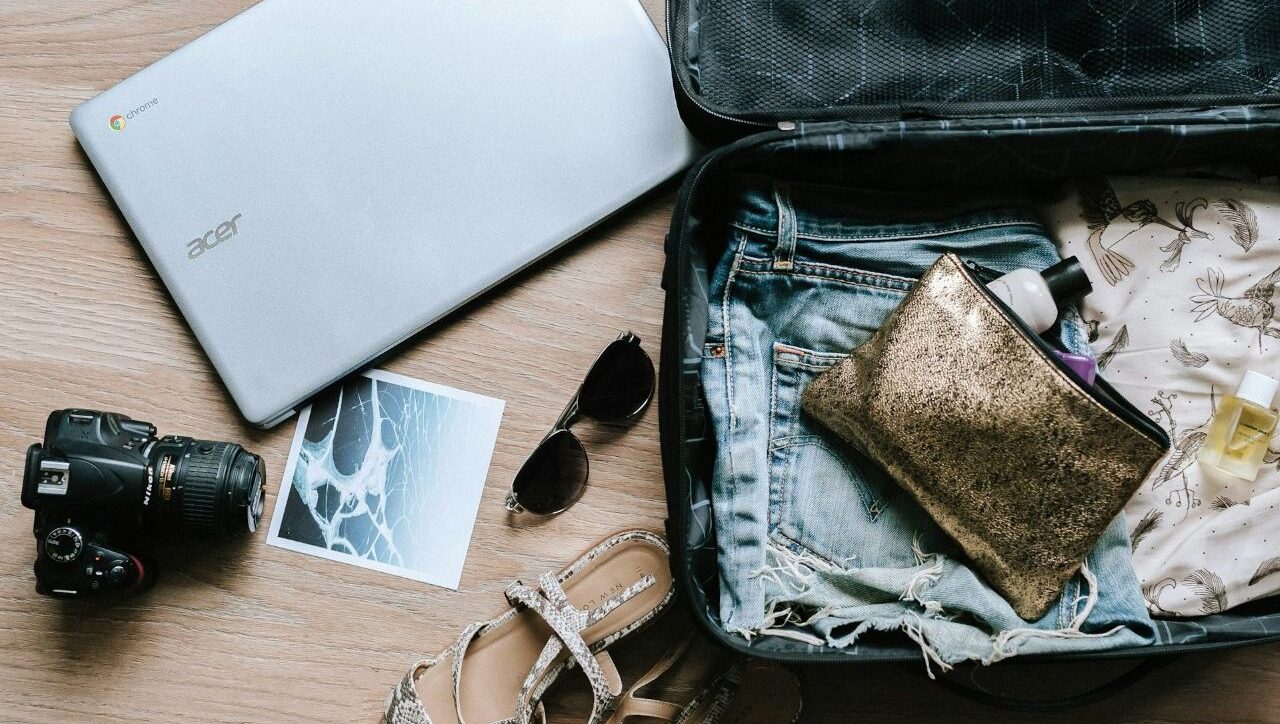
- Camera body and lenses — pack in carry-on, never checked luggage
- Spare camera batteries (minimum two; three for longer trips)
- Memory cards (multiple; 64GB or larger)
- Power bank (10,000mAh or higher) — for game drives and lodges with limited power
- Type G plug adapter — Kenya uses the three-rectangular-pin British-style socket; standard voltage is 240V
- Laptop or tablet — useful for photographers downloading and reviewing images; adds weight, so only if genuinely needed
- Binoculars — compact 8×42 or 10×42 recommended; ask your operator whether the vehicle provides them before buying
- Headtorch or torch — for navigating between tent and dining area at night; camps are not always fully lit
Q: Do I need binoculars for a Kenya safari?
A: Yes, binoculars significantly improve the game drive experience, especially for birds and distant animals. A compact 8×42 or 10×42 model is ideal. Ask your operator whether the vehicle supplies binoculars before packing your own. If they do, their quality is often basic. Your own pair will serve you better.
What your lodge or camp already provides
One of the most common packing mistakes is bringing things your lodge already supplies. This matters because every kilogram saved is either a kilogram of camera gear or a kilogram fewer to wrestle onto a small aircraft.
Q: What do safari lodges provide?
A: Most mid-range and luxury safari lodges in Kenya provide towels, drinking water, laundry service, basic toiletries, mosquito nets, and hot drinks for drives. They do not reliably provide prescription medication, sunscreen, insect repellent, camera equipment, or specialist personal items. Bring your own of anything you genuinely cannot do without.
Documents and money: what to carry and how
All documents should be carried in your personal bag on the aircraft, not in checked luggage. Loss or delay of a soft-sided checked bag is rare but possible. Your documents are irreplaceable within a safari itinerary.
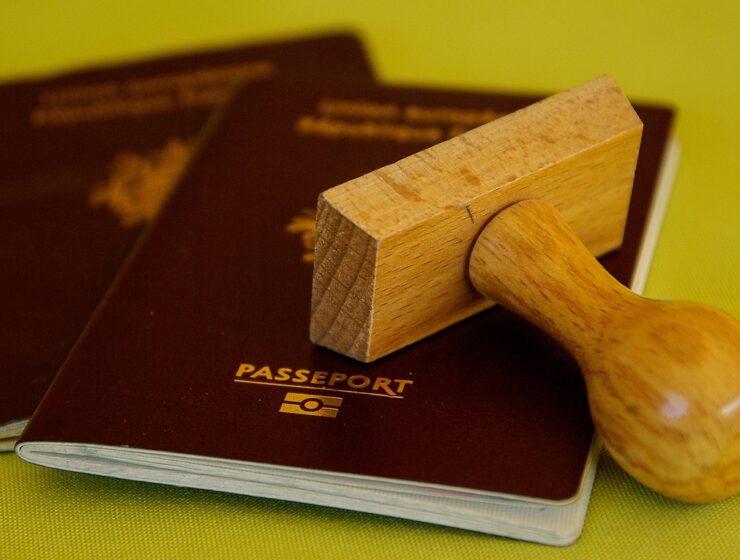
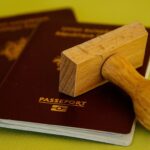
- Passport: minimum 6 months validity from entry date; at least one blank page for stamps
- Kenya eTA approval: printed PDF or saved to phone; airlines check at check-in; required before boarding any flight to Kenya (see our Kenya visa requirements guide for the full application process)
- Travel insurance documents: specifically including the emergency medical evacuation contact number — the most important insurance clause for remote safari travel
- Yellow fever vaccination certificate: required if arriving from an endemic country; check your specific routing with your travel clinic
- Credit cards: Visa and Mastercard widely accepted at lodges; inform your bank before travel
- Kenyan shillings: useful for Kenya safari packing tips on budgeting — tips, small purchases, and Kenya Wildlife Service (KWS) park entry fees if self-driving; exchange in Nairobi (better rates than at the airport)
- Copies of all documents: photographed and stored in email or cloud; a printed copy kept separately from originals
Q: What travel documents do I need for a Kenya safari?
A: A valid passport (6 months minimum remaining), an approved Kenya eTA (obtained at etakenya.go.ke before travel), travel insurance documents with the medical evacuation number, and a yellow fever certificate if arriving from an endemic country. Carry all documents on your person during flights, not in checked luggage.
Common Kenya safari packing mistakes and how to avoid them
Mistake 1: Packing a hard-shell suitcase
The most consequential packing error. A hard-shell wheelie suitcase does not fit in the baggage pod of a Cessna or similar small aircraft. Your luggage will be left in Nairobi. Bring a soft-sided duffel or travel bag from the start.
Mistake 2: Packing too much
The 15kg limit feels restrictive until you realise that three or four tops, two pairs of trousers, and one fleece are genuinely sufficient for a week-long trip when lodges do daily laundry. More than this and you are paying for the excess in hassle, not comfort.
Mistake 3: Wearing white or bright colours on game drives
White shows every particle of the red Kenyan dust within an hour. Bright colours are visible to wildlife at distances that will cause animals to move away from your vehicle before you can properly observe them. Neutral colours throughout.
Mistake 4: Buying a new camera you have never used
Many travellers invest in a new camera specifically for their Kenya safari, then spend the first two days of the trip learning to use it. Whatever camera you bring, practise with it before departure. Know how to change ISO quickly, how to use burst mode, and how to adjust exposure compensation. These are the three settings that matter most on a moving animal.
Mistake 5: Not packing a torch
Safari camp paths between accommodation and dining areas are not fully lit, for the obvious reason that light affects wildlife movement. A headtorch or small handheld torch is genuinely useful every single night. Most travellers who forget one regret it within the first evening.
Mistake 6: Assuming the lodge has everything
High-end lodges stock most things. Budget camps and remotely located tented camps may have very limited supplies. Sunscreen and DEET insect repellent are often unavailable or very expensive in parks. Bring your own of both, regardless of what the lodge description says.
Luggage limits and lodge provisions vary by operator and aircraft type. Always confirm specific weight limits with your safari operator before packing.
Planning a Kenya safari and want the full picture before you book?
Katulu Africa Safaris briefs every guest on packing, health preparations, and camp protocols before departure. When you book with us, you will know exactly what to bring, what your lodge has ready, and what to leave behind. No last-minute surprises.
Request your free Kenya safari itinerary: katulusafari.com/contact or message us on WhatsApp. We typically reply within a few hours.
Frequently asked questions about packing for a Kenya safari
Q: What is the most important thing to pack for a Kenya safari?
A: The most consequential item is the bag itself: a soft-sided duffel or travel bag under 15kg. Without this, your luggage may not fit on the light aircraft connecting Nairobi to the safari parks. After that, malaria prophylaxis (prescription only), DEET insect repellent, and a fleece for cold morning drives.
Q: Can I do laundry on a Kenya safari?
A: Yes. Most mid-range and luxury lodges and tented camps offer laundry service and return clothes within 24 hours. Budget camps may have limited facilities. Pack fewer clothes than you think you need — three to four tops and two pairs of trousers is sufficient for a week-long trip.
Q: What shoes should I pack for a Kenya safari?
A: Closed, comfortable walking shoes for game drives and bush walks; sandals for the lodge and evenings; flip-flops for the pool. Three pairs total is sufficient. Avoid white shoes — they will be dust-orange by the end of the first game drive. Full hiking boots are only needed for dedicated mountain trekking.
Q: Can I bring my camera on the game drive vehicle?
A: Yes, and you should bring it in your carry-on bag on any flight rather than checking it. Camera equipment should never be in checked luggage. On the vehicle, a beanbag placed on the window ledge is the standard support for long lens wildlife photography and weighs almost nothing.
Q: Is there electricity at safari lodges in Kenya?
A: Most lodges have electricity, though remote camps may use solar power with limited charging capacity during the day. Bring a power bank (10,000mAh or higher) for game drives and as backup. The plug type in Kenya is Type G (three rectangular pins, 240V) — bring a travel adapter.
Q: What should I leave at home for a Kenya safari?
A: Hard-shell suitcases with wheels (do not fit on light aircraft), bright-coloured clothing (affects wildlife behaviour), camouflage patterns (illegal in Kenya), excessive toiletries (lodges supply basics and the weight is not worth it), and anything genuinely irreplaceable (leave valuables at home or in a hotel safe).