5-Day Mount Kilimanjaro Trekking
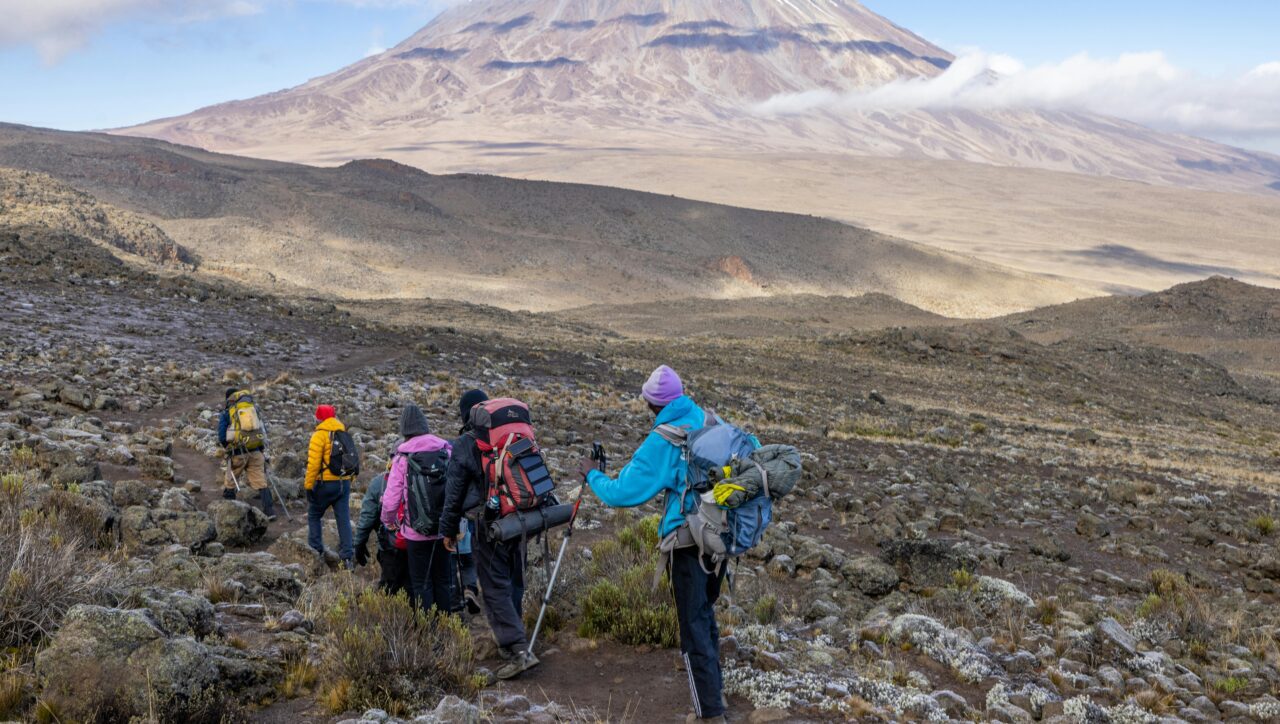
Route: Marangu Route Highest Point: Uhuru Peak – 5,895 meters (19,341 ft) Difficulty: Moderate to Challenging Accommodation: Mountain huts Best Time to Go: January–March and July–October Overview: Mount Kilimanjaro located in Northern Tanzania near the Kenyan border is the tallest peak in Africa and the highest free-standing mountain in the World. It offers an unforgettable trekking experience through diverse ecological zones—from rainforest to alpine desert to snow-capped summit. This 5-day Marangu Route trek is designed for climbers who are short on time but fit, acclimatized, and eager to reach the summit ,the Uhuru Peak. While shorter than other routes, this trek demands stamina, mental resilience, and proper altitude adaptation. Accommodation is in simple but comfortable huts, making this a good choice for those who prefer not to camp. Day 1: Moshi – Marangu Gate – Mandara Hut (2,700m) Your trekking adventure will begin in Moshi, a small town located at the foot of Mount Kilimanjaro. After breakfast and a final gear check, you will be transferred to Marangu Gate (1,870m), where you’ll register with park authorities and meet your guide and porters. Once formalities are complete, the trek begins through lush montane rainforest, a cool and shady environment alive with birds, monkeys, and tropical vegetation. This hike is much gentle and estimated to be taking approximately 4–5 hours along a well-maintained trail. Along the way, you may encounter blue monkeys, Colobus monkeys, and an array of endemic birds such as the silvery-cheeked hornbill. You will arrive at Mandara Hut (2,700m) in the afternoon, where you will enjoy your meal and settle in for the night in dormitory-style accommodation. Optional short hikes to the nearby Maundi Crater offer early panoramic views of Kenya’s Amboseli plains and the mountain’s upper reaches. Day 2: Mandara Hut – Horombo Hut (3,720m) After an early breakfast, the day’s trek begins with a steady climb out of the forest and into the heath and moorland zone. The changing scenery includes giant heathers, lobelias, and Senecio plants unique to Mount Kilimanjaro. The trail offers open vistas, with possible sightings of elands and jackals, and if the skies are clear, your first distant view of Kibo Peak, the snow-covered summit. The hike takes approximately 6–7 hours, covering about 11 km. Along the route, you’ll stop for a packed lunch before continuing your ascent toward Horombo Hut (3,720m). This large alpine hut, situated on a plateau, provides stunning sunset views over the moorlands. Despite the increase in altitude, Horombo is a comfortable stopover with fresh mountain air, well-prepared meals, and a lively communal atmosphere among fellow trekkers. Day 3: Horombo Hut – Kibo Hut (4,700m) This is a crucial day for acclimatization and preparation for the summit attempt. After breakfast, you will continue your ascent through an increasingly stark alpine desert, passing the Last Water Point and climbing steadily across saddle terrain between Mawenzi and Kibo peaks. The environment becomes more lunar-like, with minimal vegetation and a raw, windswept beauty. The trek to Kibo Hut (4,700m) takes approximately 5–6 hours. You will arrive in the early afternoon, giving you time to rest, hydrate, and prepare your gear for the summit attempt. An early dinner is served, and then it’s lights out by early evening, as you’ll begin the summit push around midnight. Your guide will provide a detailed briefing and help you mentally prepare for the demanding day ahead. Day 4: Kibo Hut – Uhuru Peak (5,895m) – Horombo Hut (3,720m) The most challenging and rewarding day of the trek begins around midnight. After a hot drink and snack, you will start the summit ascent in darkness, slowly climbing the steep scree slopes of Kibo. The trail zigzags upward, with brief breaks to rest and stay warm. The goal is to reach Gilman’s Point (5,685m) on the crater rim by sunrise, where you are greeted with a dramatic view of the sun rising over East Africa. From Gilman’s, it’s an additional 1.5–2 hour trek around the crater rim to Uhuru Peak (5,895m)—the highest point in Africa. This stretch can be physically and mentally demanding due to cold, wind, and thin air, but standing atop the “Roof of Africa” is a deeply emotional and triumphant moment. After celebrating and taking photos for few minutes enjoying the view, you’ll begin the descent. Return to Kibo Hut for a short rest and brunch, then continue downward to Horombo Hut, arriving in the afternoon. This long day approximately (12–14 hours total) ends with dinner and a night’s rest at a lower altitude. Day 5: Horombo Hut – Marangu Gate – Moshi Your final day begins with breakfast before descending through the heath and forest zones back to Mandara Hut for a brief stop, and then further down to Marangu Gate (1,870m). The descent takes 5–6 hours, and you will receive a Kilimanjaro trekking certificate—green for those reaching Gilman’s Point and gold for those reaching Uhuru Peak. At the gate bid goodbye to your trekking crew and be driven back to Moshi, where you can have your shower and celebrate your achievement. If time allows, optional excursions like a visit to Maji Moto hot springs, a coffee farm tour, or a cultural village experience can be arranged. Your Kilimanjaro trek officially concludes with a drop-off at your hotel. Packing List Essentials: Insulated down or synthetic jacket Base layers and warm fleece Waterproof jacket and pants Well-broken-in trekking boots Headlamp and spare batteries Water bottles and purification tablets Sleeping bag rated to at least -10°C Sunglasses, gloves, sunscreen, lip balm Summary This 5-day Marangu Route is one of the shortest ways to summit Mount Kilimanjaro, it also demands high levels of physical fitness and mental determination due to the limited time for acclimatization. Trekkers intending to use this route are advised to spend at least one night in Moshi or Arusha prior to the climb and consider their previous altitude exposure in attempting this rapid itinerary. The route has unique huts accommodations and scenic alpine terrain make it a popular choice for first-time trekkers