About This Tour
Overview:
Explore some of Kenya’s less-travelled wildlife destinations in this 6-day safari
through Samburu National Reserve, Meru National Park, and the Ol Pejeta
Conservancy, finalising Safar in Nairobi. Each kenya safari destination offers a
unique ecosystem and a chance to witness a diverse variety of wildlife, including rare
species not seen in other parks.
Day 1: Nairobi to Samburu National Reserve
Your safari begins with an early morning departure from Nairobi. You can choose to
travel by road, enjoying scenic views of central Kenya and a stopover at the equator
crossing near Nanyuki, or opt for a quicker flight to Samburu airstrip.
Upon arrival in Samburu National Reserve, check in to your lodge or tented camp
with some of options include Samburu Intrepids, Elephant Bedroom Camp, or the
elevated Saruni Samburu just in time for lunch. After a short rest go on your first
afternoon game drive in this National reserve, which lies on the banks of the Ewaso
Nyiro River.
Samburu is known for its arid landscapes, dramatic hills, and the famous “Samburu
Special Five” a rare group of northern species found exclusively in this region.
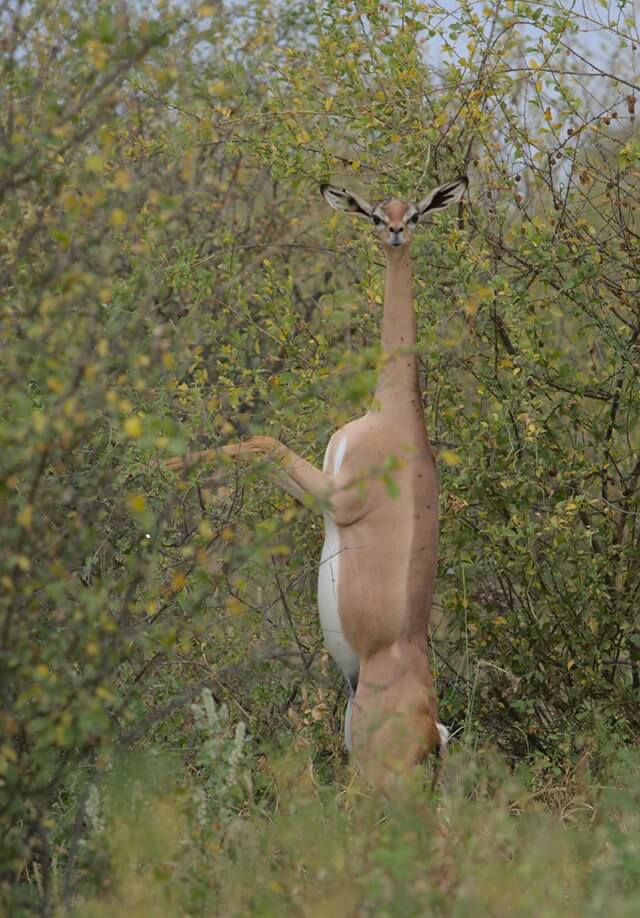
These include the reticulated giraffe, Grevy’s zebra, Somali ostrich, beisa oryx, and
the long-necked gerenuk which is known for its habit of standing upright to feed on
shrubs. The park is also home to elephants, leopards, lions, and a variety of birdlife
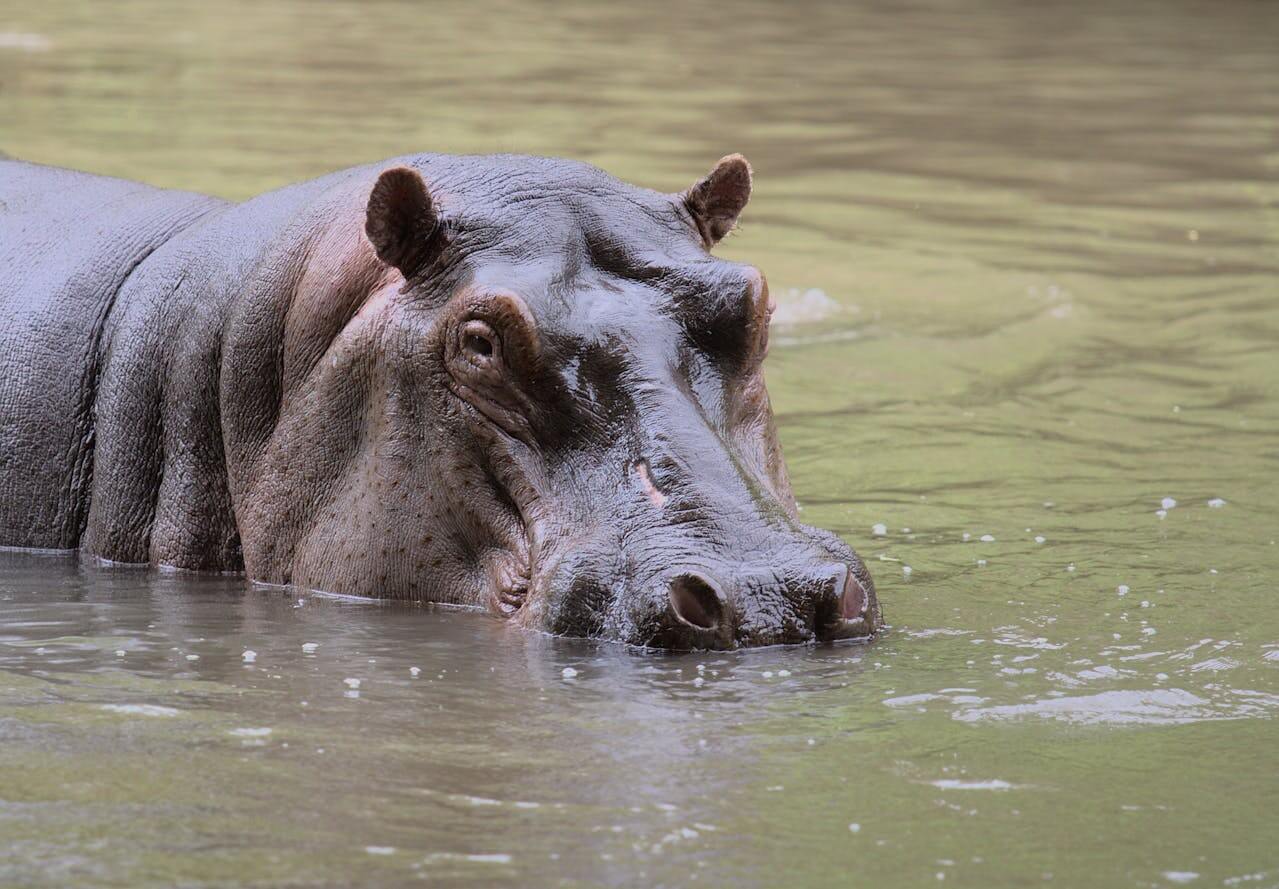
making it a great birding safari destination in Kenya. Crocodiles and hippos can be
seen along Ewaso Nyiro river which acts as a lifeline in this dry terrain.
Day 2: Full Day in Samburu National Reserve
This day has two major game drives—one in the early morning and another in the
late afternoon—giving you optimal chances of spotting wildlife when they are most
active. The mid-day hours can be spent enjoying a leisurely lunch at your camp and
relaxing by the riverbanks or pool.
The open terrain with acacia trees making it excellent for spotting predators
because of clear visibility of cheetahs, lions, and even leopards lounging in tree
branches. Samburu also supports variety of birds, with over 350 species recorded,
such as the vivid vulturine guineafowl, sunbirds, eagles, and hornbills. A highlight of
your stay here can be a visit to a local Samburu village, where you’ll experience
authentic cultural traditions, from beadwork to traditional dances and stories of the
Samburu people’s close relationship with nature.
Day 3: Samburu to Meru National Park
After breakfast, check out and begin your journey to Meru National Park, a scenic
3.5-hour drive southeast. This drive offers changing landscapes—from the dry plains
of Samburu to the greener, more verdant environment of Meru. Meru National Park
is famously known as the setting for Born Free, the story of Elsa the lioness raised
by conservationists Joy and George Adamson. Upon arrival, check in to your
accommodation facility such as Elsa’s Kopje (a luxurious lodge built into Mughwango
Hill), Rhino River Camp, or Ikweta Safari Camp.
In the afternoon, set out on a game drive through the park’s diverse habitats. Meru is
crisscrossed by 13 rivers and numerous streams, which support a lush ecosystem
teeming with wildlife. Elephants, buffalos, hippos, and crocodiles are abundant here,
as are various antelope species including kudu and waterbuck. Meru is also home to
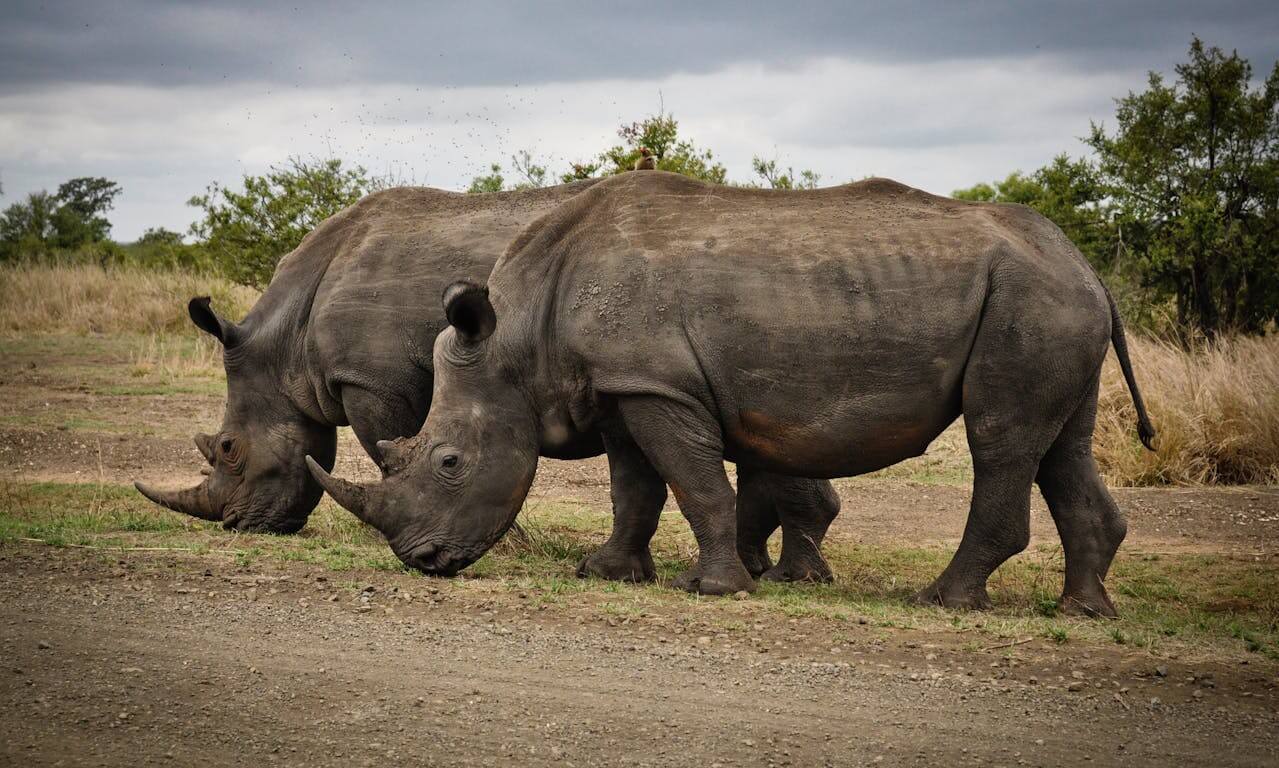
an increasing population of both black and white rhinos, especially within its
sanctuary. Birdwatchers will find the park a paradise with over 400 recorded species
some are rare to finds such as Pel’s fishing owl, African finfoot, and numerous
waterbirds.
Day 4: Full Day in Meru National Park
On a full day to immerse yourself in Meru’s wild beauty. Start with a morning game
drive in search of big cats—Meru is one of the few parks in Kenya where you might
spot cheetahs, lions, and leopards all in a single day. The park’s relatively low tourist
traffic makes for an intimate kenya safari experience, where you may go hours
without encountering another vehicle.
In addition to game drives, you may opt for a walking safari led by armed rangers,
available at select camps. These walks offer a closer look at the landscape and
smaller animals such as reptiles, insects, and unique plant life. The rhino sanctuary
within the park provides a secure habitat for these endangered animals, giving
visitors a rare opportunity to observe them in close quarters. Spend the late
afternoon by the riverbanks or enjoying a sundowner overlooking the park’s
sweeping plains.
Day 5: Meru National Park to Ol Pejeta Conservancy
After an early breakfast, depart Meru and head toward Ol Pejeta Conservancy,
located in Laikipia County near the equator. The 4–5-hour drive is scenic and climbs
gently back into Kenya’s central highlands, with views of Mount Kenya on the
horizon. Arrive at Ol Pejeta in time for lunch and check-in at your lodge—options
include Sweetwaters Serena Camp, Ol Pejeta Bush Camp, or The Stables.
Ol Pejeta Conservancy is one of Kenya’s most celebrated private wildlife reserves,
known for its high conservation standards and innovative wildlife protection
programs.
In the afternoon, go on a game drive through the conservancy, which is home to the
Big Five—lion, leopard, elephant, rhino, and buffalo. Ol Pejeta boasts one of the
largest black rhino populations in East Africa and is the only place in Kenya where
you can see chimpanzees. The Sweetwaters Chimpanzee Sanctuary, established
with the Jane Goodall Institute, cares for orphaned and rescued chimpanzees from
across Africa.
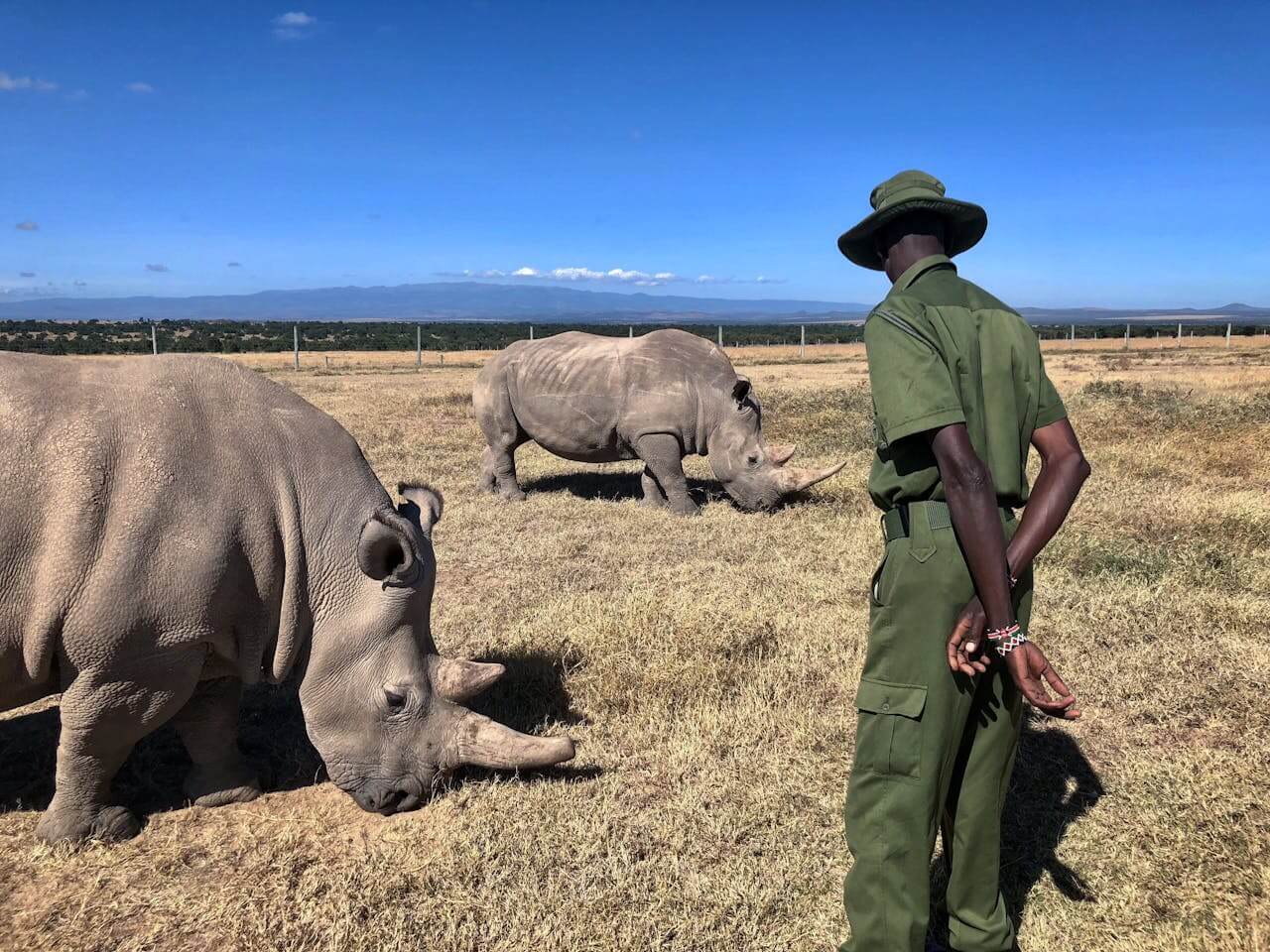
Also located within the conservancy is the endangered species enclosure where you
can view Grevy’s zebras, Jackson’s hartebeest, and the last two northern white
rhinos in the world named Najin and Fatu. Go for a night game drive (optional) to
look for nocturnal animals such as aardvarks, bat-eared foxes, and servals.
Day 6: Ol Pejeta to Nairobi
On your final day, you may enjoy one last early morning game drive before returning
to the camp for breakfast. Afterward, check out and transfer back to Nairobi either by
road (approximately 3.5 hours) or by a scheduled flight. Depending on your flight
schedule, you can include optional activities in Nairobi to round off your safari
experience.
Popular stops in the capital include the David Sheldrick Wildlife Trust, where
orphaned baby elephants are cared for and eventually reintroduced into the wild, and
the Giraffe Centre, where you can hand-feed endangered Rothschild’s giraffes. For a
touch of culture, visit the Karen Blixen Museum or the Kazuri Beads Workshop to
shop for handmade souvenirs. Your kenya safari ends with a drop-off at your hotel or
Jomo Kenyatta International Airport for your onward journey.
Conclusion
This 6-day kenya safari combines wildlife diversity, conservation, and cultural
immersion across some of Kenya’s most compelling parks. Samburu offers dryland
rarities and a colorful culture; Meru provides lush scenery and solitude with strong
rhino conservation; and Ol Pejeta brings it all together with Big Five sightings,
endangered species protection, and educational experiences. Ending in Nairobi
gives you the chance to reflect on your journey and connect with Kenya’s urban and
conservation heartbeat.
Highlights
What’s Included
Tour Plan
Expand allCollapse allNairobi to Samburu National Reserve
Your safari begins with an early morning departure from Nairobi. You can choose to
travel by road, enjoying scenic views of central Kenya and a stopover at the equator
crossing near Nanyuki, or opt for a quicker flight to Samburu airstrip.
Upon arrival in Samburu National Reserve, check in to your lodge or tented camp
with some of options include Samburu Intrepids, Elephant Bedroom Camp, or the
elevated Saruni Samburu just in time for lunch. After a short rest go on your first
afternoon game drive in this National reserve, which lies on the banks of the Ewaso
Nyiro River.
Samburu is known for its arid landscapes, dramatic hills, and the famous “Samburu
Special Five” a rare group of northern species found exclusively in this region.
These include the reticulated giraffe, Grevy’s zebra, Somali ostrich, beisa oryx, and
the long-necked gerenuk which is known for its habit of standing upright to feed on
shrubs. The park is also home to elephants, leopards, lions, and a variety of birdlife
making it a great birding safari destination in Kenya. Crocodiles and hippos can be
seen along Ewaso Nyiro river which acts as a lifeline in this dry terrain.
Full Day in Samburu National Reserve
This day has two major game drives—one in the early morning and another in the
late afternoon—giving you optimal chances of spotting wildlife when they are most
active. The mid-day hours can be spent enjoying a leisurely lunch at your camp and
relaxing by the riverbanks or pool.
The open terrain with acacia trees making it excellent for spotting predators
because of clear visibility of cheetahs, lions, and even leopards lounging in tree
branches. Samburu also supports variety of birds, with over 350 species recorded,
such as the vivid vulturine guineafowl, sunbirds, eagles, and hornbills. A highlight of
your stay here can be a visit to a local Samburu village, where you’ll experience
authentic cultural traditions, from beadwork to traditional dances and stories of the
Samburu people’s close relationship with nature.
Samburu to Meru National Park
After breakfast, check out and begin your journey to Meru National Park, a scenic
3.5-hour drive southeast. This drive offers changing landscapes—from the dry plains
of Samburu to the greener, more verdant environment of Meru. Meru National Park
is famously known as the setting for Born Free, the story of Elsa the lioness raised
by conservationists Joy and George Adamson. Upon arrival, check in to your
accommodation facility such as Elsa’s Kopje (a luxurious lodge built into Mughwango
Hill), Rhino River Camp, or Ikweta Safari Camp.
In the afternoon, set out on a game drive through the park’s diverse habitats. Meru is
crisscrossed by 13 rivers and numerous streams, which support a lush ecosystem
teeming with wildlife. Elephants, buffalos, hippos, and crocodiles are abundant here,
as are various antelope species including kudu and waterbuck. Meru is also home to
an increasing population of both black and white rhinos, especially within its
sanctuary. Birdwatchers will find the park a paradise with over 400 recorded species
some are rare to finds such as Pel’s fishing owl, African finfoot, and numerous
waterbirds.
Full Day in Meru National Park
On a full day to immerse yourself in Meru’s wild beauty. Start with a morning game
drive in search of big cats—Meru is one of the few parks in Kenya where you might
spot cheetahs, lions, and leopards all in a single day. The park’s relatively low tourist
traffic makes for an intimate kenya safari experience, where you may go hours
without encountering another vehicle.
In addition to game drives, you may opt for a walking safari led by armed rangers,
available at select camps. These walks offer a closer look at the landscape and
smaller animals such as reptiles, insects, and unique plant life. The rhino sanctuary
within the park provides a secure habitat for these endangered animals, giving
visitors a rare opportunity to observe them in close quarters. Spend the late
afternoon by the riverbanks or enjoying a sundowner overlooking the park’s
sweeping plains.
Meru National Park to Ol Pejeta Conservancy
After an early breakfast, depart Meru and head toward Ol Pejeta Conservancy,
located in Laikipia County near the equator. The 4–5-hour drive is scenic and climbs
gently back into Kenya’s central highlands, with views of Mount Kenya on the
horizon. Arrive at Ol Pejeta in time for lunch and check-in at your lodge—options
include Sweetwaters Serena Camp, Ol Pejeta Bush Camp, or The Stables.
Ol Pejeta Conservancy is one of Kenya’s most celebrated private wildlife reserves,
known for its high conservation standards and innovative wildlife protection
programs.
In the afternoon, go on a game drive through the conservancy, which is home to the
Big Five—lion, leopard, elephant, rhino, and buffalo. Ol Pejeta boasts one of the
largest black rhino populations in East Africa and is the only place in Kenya where
you can see chimpanzees. The Sweetwaters Chimpanzee Sanctuary, established
with the Jane Goodall Institute, cares for orphaned and rescued chimpanzees from
across Africa.
Also located within the conservancy is the endangered species enclosure where you
can view Grevy’s zebras, Jackson’s hartebeest, and the last two northern white
rhinos in the world named Najin and Fatu. Go for a night game drive (optional) to
look for nocturnal animals such as aardvarks, bat-eared foxes, and servals.
Ol Pejeta to Nairobi
On your final day, you may enjoy one last early morning game drive before returning
to the camp for breakfast. Afterward, check out and transfer back to Nairobi either by
road (approximately 3.5 hours) or by a scheduled flight. Depending on your flight
schedule, you can include optional activities in Nairobi to round off your safari
experience.
Popular stops in the capital include the David Sheldrick Wildlife Trust, where
orphaned baby elephants are cared for and eventually reintroduced into the wild, and
the Giraffe Centre, where you can hand-feed endangered Rothschild’s giraffes. For a
touch of culture, visit the Karen Blixen Museum or the Kazuri Beads Workshop to
shop for handmade souvenirs. Your kenya safari ends with a drop-off at your hotel or
Jomo Kenyatta International Airport for your onward journey.